
By Kim Vanderpool
Do you know winter squash?
Here in my little corner of the world, like it or not… winter is nigh. I don’t know where this year went, but at the time of writing this, Christmas is literally just days away! Anyway, to help retaliate against the chilly weather of the current season, piping hot stews and other cozy comfort foods are popular menu items in many kitchens these days. There is no better time than the present to tap into the healthful, tasty, and versatile world of winter squash.
What is a Winter Squash?
On a worldwide basis, there are more than 800 species of plants that find their place within the Cucurbitaceae family. The Cucubitaceae family- or to say it in everyday vernacular- the gourd and cucumber family- is filled with vast diversity and usefulness. Squash plants fall into the Cucurbita genus, which also includes fun, decorative gourds and iconic pumpkins. These are all annual plants that can grow in a vining or bush fashion. They have their native roots in both the North and South American continents.
Butternut, spaghetti, and acorn are common examples of winter-type squash varieties. Unlike a typical summer-type squash, such as the zucchini, these fruits mature to have a tough, shell-like exterior skin. This feature allows for the long-term storage of fruit for use into the winter season… so yes, this is where the term “winter” squash is derived from!
Nutritionally speaking, winter squash is packed with a ton of good stuff. They are a great source of healthy carbohydrates and dietary fiber. They also contain notable amounts of magnesium, potassium, beta carotene, vitamin C, vitamin B6, and protein. These are all great attributes that should positively benefit the diets of most people.
Types of Winter Squash
Growing up in New England, my mom often cooked up winter squash during the cold months. It was usually acorn or sometimes butternut. Admittedly, I’d never really thought much past those two. There are other options out there, however. In an article by Pete Zuck, a research and development manager at Johnny’s Selected Seeds, seven varieties are discussed and compared.

Alongside the trusty above-mentioned squash types, there are some other more unconventional varieties highlighted there such as the kabocha, hubbard, delacita, and buttercup. Let’s give them a quick look.
Acorn squash looks just like- an acorn that is! They are great for introducing taste buds to the world of winter squash. With most varieties weighing in at around two pounds, their convenient size makes them easy to handle and prepare, and roast in the oven.
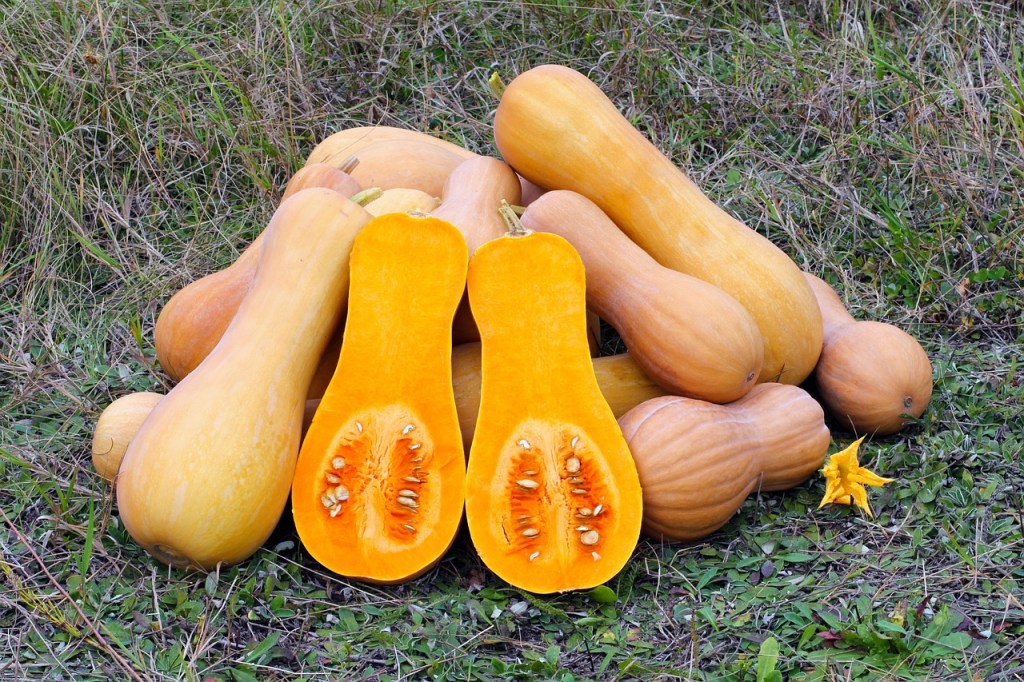
Butternuts are typically the classic oblong specimen with a pale tan color on the outside and a bright yellow/orange interior. They can be stored away for a long time without spoilage. Butternuts are excellent for use in recipes such as pies or pureed soups.
Kabocha squash– while a favorite in Japan- hasn’t yet earned the same fame in the American market. This unsung gem is available in a variety of colors and sizes depending on the strain. They boast a sweet flavor and their texture is firmer and less moist than other types of squash. This makes kabochas ideal for roasting and might be a good alternative for those who find squash that cooks down to mush to be unappetizing.
The Hubbard squash is tried and true and an old standard. Some strains of hubbard (check out the Blue Hubbard) bear fruit boasting an average weight of 12-15 lbs! They are great if you have a recipe that requires plentiful squash flesh with a non-overpowering flavor.
If a sweet-flavored fruit with a tender and edible (when cooked) skin is desired, then the delacita variations of winter squash are the perfect fit. Delacitas often resemble acorns in shape and have an attractive white and green striped color pattern on the exterior.
The Buttercup squash bears a resemblance to kabochas but with the addition of a peculiar navel-like protrusion on the bottom! They are also less dry and have a good flavor that complements other foods nicely- such as fruits and cheeses.
Finally, the spaghetti-type varieties of squash are another unique option. The demand and favor for them have been on the rise in recent years. With more and more people searching for alternatives to wheat products, the stringy flesh of the spaghetti squash can be a stylish and tasty substitute.

Growing Winter Squash
Squash cultivation is compatible with various climates and is therefore practiced throughout the world. Plants belonging to the Cucurbita genus are annuals, which means they need to be replanted from seed each year. They are sun-loving plants, so they must be grown in an area that receives full sun- at least six hours of it per day. For optimal growing, sow squash in loamy soil that has good drainage and adequate organic matter available for nutrients.
Squash varieties with the tendency to vine, produce tendrils to anchor and support themselves as they grow. The leaves of squash plants can get quite large, and they are covered in fine prickly spines. All this being said, squash requires ample space to grow. Plants are often grown in groups of two to four in circles of mounded-up soil or hills. This technique helps facilitate cross-pollination by bees, encourages drainage, and can help keep tender plants warmer at the beginning of the season.

Consult the seed packet or plant tags for planting guidelines specific to the type of squash being grown. The recommendations surrounding soil preparation, planting time, seeding depth, transplant spacing, and so on, can vary by variety. It is important to keep in mind the longer growing season that winter squash has, as opposed to summer squash. Many winter squash varieties take an average of 90 days from initial seeding to yield mature fruit. In contrast, zucchini and yellow squash plants typically only need 50 days or less.
Common Pests and Diseases
Humans are not the only species that find squash tasty! Just like any other crop, squash plants are prone to pests, as well as other disease issues. Squash bugs and vine borers are two major kinds of pests that can cause serious damage to a crop. Powdery mildew, anthracnose, and angular leaf spot are some other disease problems that can also wreak havoc.
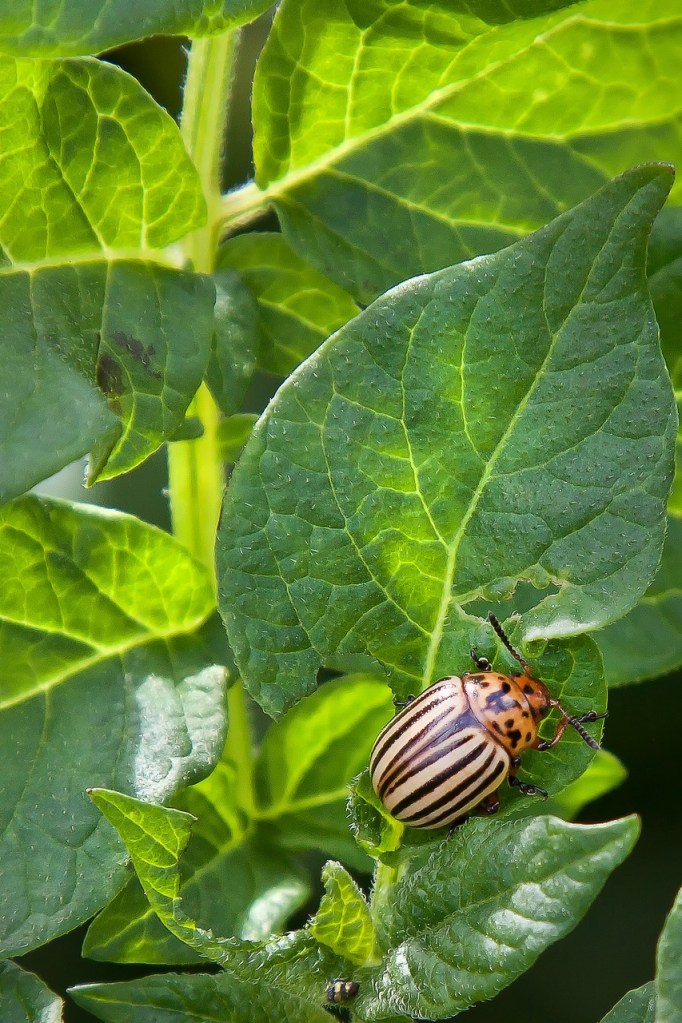
Preventing and keeping these problems under control does not necessarily mean that the use of chemicals is required. It does mean that knowing the signs and proactively scouting crops regularly is important for identifying problems while they can still be remedied. Other tactics, such as rotating squash to different planting locations in the garden each year, can help prevent problems from spreading from one season into the next. It should certainly be employed if a disease outbreak did occur.
Harvesting and Storage
Growing winter squash certainly requires time and patience for the fruit to be ready to harvest! Again, it is always a wise idea to consult information specific to the type of squash being harvested to determine when it is the optimal time to do the deed. Nikki Jabbour, a writer over at Savvygardeing.com, has a great article with some general winter squash harvesting tips.
Don’t hurry into pulling that squash from the plant. Timing of the harvest is important- along with gentle handling of the fruits, correct curing techniques, and a good storage set-up. Before grabbing the harvesting knife, make sure that at least 50 days have gone by since the fruit first appeared on the plant and the seed company provided days to maturity target date has been surpassed.
Be sure that the outer shell has hardened up nicely, has a good mature color to it, and a hollow sound inside when lightly thumped. Do make sure to harvest before the first killing frost descends upon the region. Quality and shelf life can be negatively affected by exposure to frost.

When removing the fruit at harvest, use shears or a suitable knife. Trying to break them or twist them off is not recommended. Don’t cut the stem off too close to the squash- try to leave a couple inches. Picking up a squash by the stem should be avoided, too. To initiate the curing process, simply set the harvested squash outside in a sunny location, and leave them there for at least a week. If there is a risk of a frost happening, bring the produce indoors.
The best environment for storing winter squash is somewhere that has a temperature range between 50 and 60 degrees Fahrenheit, and humidity range between 50% and 70%. But if the fruit has been properly cured, a higher room temperature can still be suitable. Don’t stack fruit on top of each other or pack them tightly in a container. A single layer of squash is the way to go, and it allows for easy visual monitoring to check for any signs of mold or decay.
Using Winter Squash
The culmination of all the hard work put into growing the crop is a useable, high-quality winter squash fruit! Exact usage and recipe suggestions will vary depending on what types of squash were grown. There are hundreds of recipes and inspirations out there for making great use of the winter squash harvest- just a quick Google search will not leave anyone empty-handed. Even the pickiest of eaters could likely be enticed by at least one of the creative options that exist today.

Here are just a few interesting recipe examples (with links) to get the wheels turning and the taste buds tickled:
- Butternut Squash Mac and Cheese
- Baked Acorn Squash with Blueberry-Walnut Filling
- Honey-Squash Dinner Rolls
- Roasted Kabocha Squash
- Easy Butternut Squash Soup
- Chicken Parmesan with Spaghetti Squash
From simplistic to elaborate, there is a squash recipe for everyone and every occasion! I hope this blog was informative and interesting. If you are already a winter squash fan, what is your favorite recipe? If you are a newbie to the winter squash world, which variety sounds most appealing to you?
Let me know in the comments!
Merry Christmas and Happy New Year! I hope to see you back here for more fun in 2024 🙂
 Sweetpea's Evening Ag News