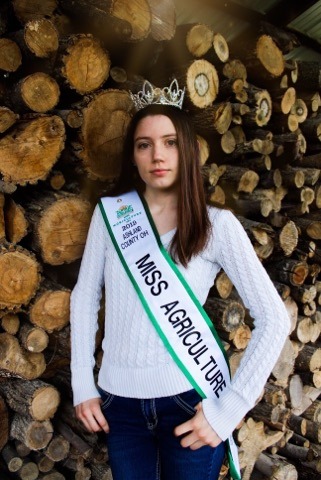
Where Crowns Meet Cows- Introducing an Ashland County Ag Queen

By Kim Buddington

We’re just going to come and say it first off- the present and future of American agriculture is in great hands! Allow us to introduce you to Taylor Dawson of Ohio, an incredible young woman who has been busy proving to the world that wearing a crown, and showing cattle can absolutely go together.


Almost everyone is familiar with the pageant competitions that exist, such as Miss America. But have you heard about Miss Agriculture USA? According to the official website, “Miss Agriculture USA is a new Nonprofit organization that is about celebrating and promoting agriculture”(Miss Agriculture USA, 2019)!


Taylor is quite familiar with the program, as she holds the title of Ashland County Miss Agriculture USA for 2019. In April, she competed in the statewide contest. Thanks to getting her start in agriculture at the young age of eight, and now in college at The Ohio State University Agricultural Technical Institute (OSU ATI), studying Agriculture Business Management, Taylor’s enthusiasm for farming only continues to grow.


She also donned another tiara before this experience, as Taylor was the 2017 Ashland County Junior Fair Queen. Last summer, Taylor got to travel around Ohio, visiting other county fairs as part of her reign. That was how she first got acquainted with the Miss Agriculture USA organization.

“I met Shannon Gallagher Wingert, National Queen Relations and Operations Manager, at the Wayne County Fair this past year,” Taylor explained.


This interaction got the ball rolling and encouraged Taylor to sign up to represent her county. Beyond having to secure some financial sponsorships prior to attending the state competition, as a queen, there isn’t a set list of things Taylor is required to do to promote agriculture around the county. It’s up to her to decide how to best spend her time.


“Since I received the title… I have visited some local businesses, attended the Ashland County Farm Bureau Annual Member Appreciation Pancake Breakfast, and [Ohio] Beef Expo,” she stated.

Going and competing at the state level proved to be an amazing and memorable experience for Taylor. She was able to cultivate new friendships with other women there, all because of the common fire for agriculture that burns among them.
What areas were participants at the contest evaluated on?

During the two days that the state competition ran, county queens had eight different opportunities to strut their stuff. There were traditional pageant-like categories such as “Photogenic,” “Formal Wear,” and “Ag Wear.” Then there were others, as in an interview with the judges, giving an introduction to the audience, and a written essay. Participants also had the challenge of not only having to give a prepared speech but an impromptu one as well!


Taylor had the great honor of earning 2nd place in the photogenic division. But out of all these, what was her favorite category? “My favorite category was Ag Wear because I decided to dress up as an A2 Holstein cow to represent the dairy industry,” she said.

Taylor’s costume choice, An A2 cow…one of the latest & greatest trends in dairy! (Photo courtesy of Taylor Dawson. Used with permission.)

Awesome costume, what a great choice!

Did you know that women and girls of all ages are invited to participate in the Miss Agriculture USA contest? They really do have a division for everyone, eleven in total… starting with the Baby category, for the littlest farm girls, age 0-23 months… all the way up to Elite Ms., for any woman 31 years plus, wanting to AGvocate with passion.
It depends on where life takes her next, but Taylor would definitely consider competing again in the future.

She plans to graduate with her Associate Degree in the spring of 2020, and then manage a small agribusiness. She also has a special love for assisting FFA and 4-H youth members with their projects and helping them achieve success.
Taylor has a wealth of diverse experience behind her, which includes working with many livestock species. She’s well versed in milking cows and even knows a thing or two about processing and bottling that milk. Got questions about how to best show your lambs, beef cattle, or swine this fair season? Taylor’s got you covered!

This summer, she is keeping busy and interning locally with the Centerra Co-op.
Interested in following along with Taylor’s adventures as Ashland County Miss Agriculture USA? You’re invited to connect with her on Instagram at ashlandmissagricultureusa.

For complete info on becoming a queen for agriculture, visit the program website at http://www.missagricultureusa.org and follow them on Facebook. Thank you, Taylor, for sharing your story with us, and for being a bold proponent of the industry that feeds us all!


References

Program | United States. (2019). Retrieved from https://www.missagricultureusa.org/

Get updates to your inbox, subscribe today!

Send it out! Why Hire a Writer to Free Up Time & Grow Your Business

By Kim Buddington

Why Hire a Copywriter?

Sure, you can write your business promotions yourself. Plenty of small business owners do it. But is it really the best option? Could your agribusiness benefit from the skills of an outside writer?


Image is Everything

Your potential customers are judging your company on outward appearance and first impressions. Like it or not, that’s just how it goes. Unfortunately, plenty of things have the potential to turn people away, and pleasing everyone isn’t reality. So take control of the factors that you can! Don’t let sloppy writing or outdated web pages give folks a glaring reason to buy elsewhere.

Explore your options. You can tackle written content creation on your own. Do some research on how to make pitches sound better, and then put your nose to the grindstone. Or you can hire a writer to lend their input, pen (or keyboard), wordsmith skills, and they’ll get the job done for you.


Outsiders See Things

As a small business owner, you experience intimate involvement with every aspect of your operation. You may think that because of this intricate knowledge, the prose of your promotional campaigns is foolproof and crystal clear. This isn’t always the case though. When talking about cattle, for example, you know very well what a heifer calf is. Not everyone who comes across your website knows this, however. If you define technical details in more general terms so that all of your potential customers will understand, great!


The problem is that you may not even realize when your writing is too technical, simply because you live and breathe that stuff every day. When you hire an outsider to write for you, they will pick up on potential confusion points in printed copy. Just something as simple as this can mean the difference between a new loyal patron for you, or steering someone away.


If you are responsible for doing the writing for your business, have you ever tried to make a piece sound better, but just stared at a blank page for hours because you just couldn’t think of anything new? An independent writer brings a whole different perspective with them. Who knows, just an unrelated set of eyes and mind could be that breakthrough your business has been needing.


For the Sake of Your Time Budget

You know it’s true. Your time is extremely valuable. Time is a resource that is in short supply and you have to budget it wisely. Is devoting the hours required to produce quality writing for your business the best use of your time? This is a personal question only you can evaluate and answer.

Maybe you love writing, maybe it’s one of the things you enjoy most about being an entrepreneur. Maybe you’ve been getting fabulous results with what you’ve scribed. If that’s true for you, excellent! You should go write on and (speaking of time use…) not waste any more of it reading this post! 😉


But if there are just so many other things that need to be attended to in order to keep your business profitable, and you’re always coming up short on time, seriously consider having someone assist you with your writing. Even if it’s just the content for one of your marketing channels, it’s one less this thing to do.


Your Mental Sanity

This goes along with the last point, but are you struggling to stay sane with all the demands life throws at you? If all the writing required to make your business stand out is taking a toll on your mental state, outsourcing can be a lifesaver. There is a lot to consider when writing. Will the wording catch my reader’s attention? Did I put enough out on social media this week? Is my grammar solid? Am I consistent, etc, etc. This can certainly be stress inducing, so give some thought to reducing tension where possible and recruit writing help.


Good Writing is a Good Investment

With as big of a role that the internet plays in business and marketing today, think of good writing as a good investment for the future. Quality content becomes part of your brand, and helps form that image that will stick with your customers. If you haven’t done so already, make today the day you start taking the written promotions for your farm business seriously. You can’t afford to not put your very best face forward when marketing your agricultural business. Make sure the pride you take in your work comes through loud and clear in your words.


Ready for Sweet Savannah Writing Service to help make your business soar with the power of words? Click here to get started!

Getting the Kids Into the Garden

Tips for Success in the Family Garden

By Kim Buddington


Are you seeking a fun project to do with your kids this spring and summer? Want to encourage them to put down the electronics and get out into nature instead?Start a backyard garden! Getting children started with gardening at a young age can help cultivate (pun intended) lifelong healthy habits. If you live in an urban neighborhood, gardening is a great and practical way to introduce kids to the world of agriculture.


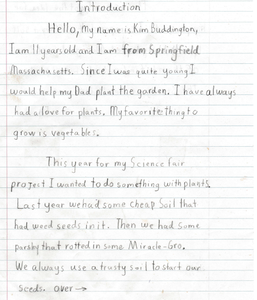
In fact, gardening was my first exposure to agriculture. Since as far back as my memory goes as a child, I helped my dad with his plants. I even had my little plot where I could play around and experiment with growing seeds of my choice. I developed a slight obsession with cabbage plants (I didn’t exactly care to eat cabbage, I just loved how the plants looked in the garden.)

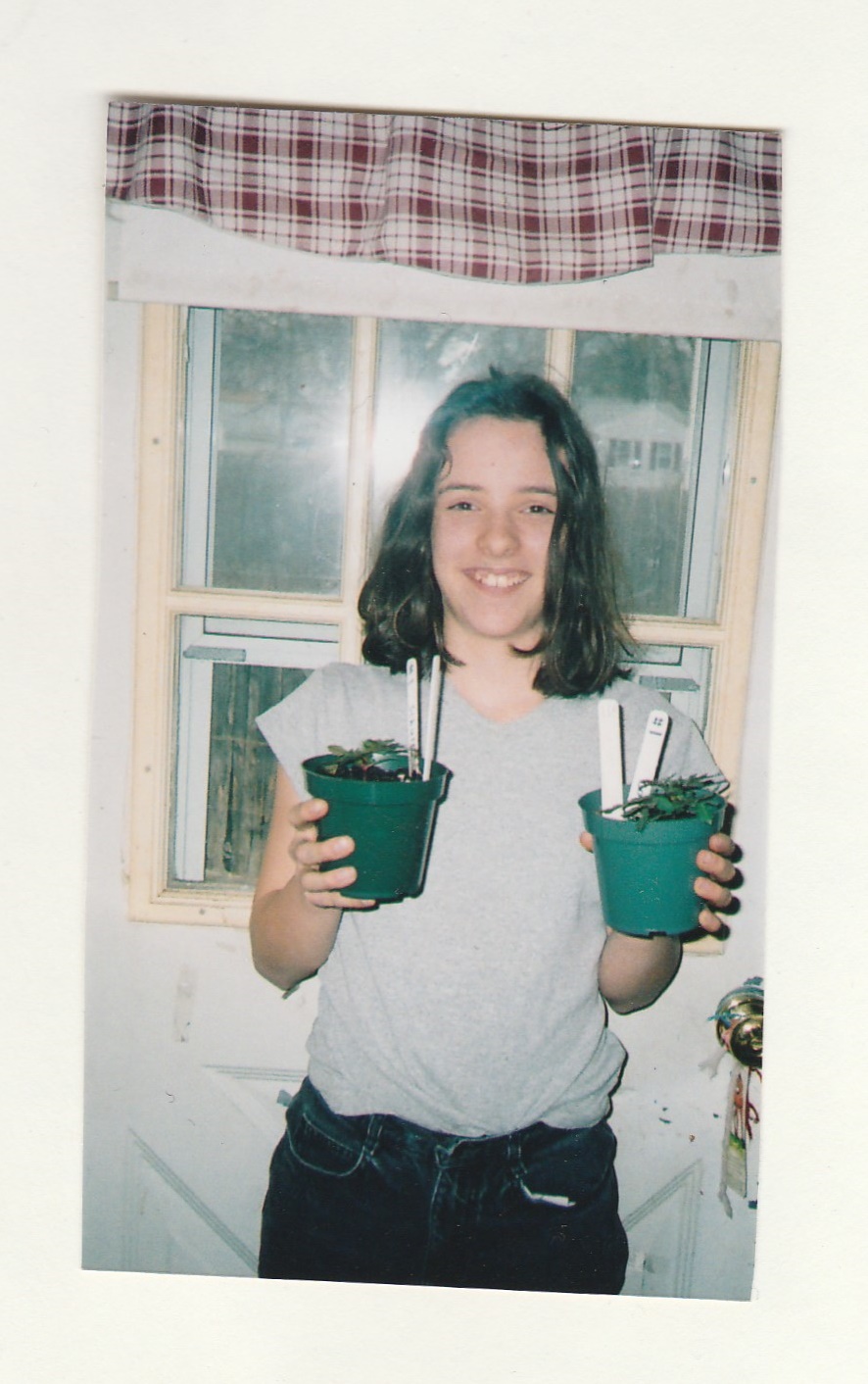
When I was 11, I did a gardening related science fair project for school, looking at different potting soils and their effects on the growth of marigold plants. I still remember the night the inspiration hit me to start the project. I was purely excited to learn while doing something I loved.

Kim, age 11 with her homegrown Marigolds.

What a great way to grow up. I’m so thankful that I grew up with my hands in the dirt! Take the time to begin gardening with your own family. I’ve compiled some tips to help you get digging. I hope you find them useful.


Make a Plan

First things first…get the family together and come up with a plan for the garden. Keep it simple, and let the children help and share their ideas. Settle on a few things to try to grow in the garden. You could grow fruits and vegetable, herbs, flowers, or some of each. Does your family love pizza? Plant a garden that features all the fixings for a delicious and healthy homemade pizza! Grow things such as peppers, tomatoes, basil, and onions. At Mykidsadventure.com, there are quite a few other great ideas for themed gardens you can explore. (1)


Make sure that the plants you choose to include are compatible with the climate of where you live. Let the children help you with this research, as appropriate for their ages. Be sure to consider other essential factors for gardening success, such as shade, sunlight, soil type/condition, and the possible need for wildlife control. (2)


Playing in the Dirt

Once a suitable spot for the new garden is decided upon, it’s time for the fun part, prepping for plants! Make sure you have some shovels, cultivators, and other like equipment that your kids can easily handle to keep them engaged. Let them get dirty and have fun with the process. Don’t get too caught up in perfection if things veer from the original plan a bit. The goal is learning and fostering a love and respect for nature, as well as an appreciation of where food comes from. (2)

Depending on which plants are desired, some seeds will able to be sown directly into the garden soil with good results. Plants that take longer to germinate and mature, such as tomatoes, you will probably be better off buying plants that have been pre-started to transplant into your garden. Pay attention to the weather forecast and soil temperature before planting species that are frost sensitive. (1)


Once the garden is planted, get the kids to help you check the plot every day. Simple record keeping books or charts are a great learning tool. Photography of plant development and seasonal progression are also fun activities. Implement a schedule for regular tasks like watering and weeding, and if there are multiple children involved, rotate chore responsibilities. (2)


As the growing season advances, your family will be harvesting wonderful fresh produce in no time! However, gardening will also teach a real lesson in patience. When the harvest comes, have the kids see their work through until the end- let them help in the kitchen and prepare some yummy recipes that include what they grew. (1)


If the growing season is excellent, and you have way more produce than your family can consume, use this opportunity to enhance the educational experience even more. To inspire your young entrepreneurs, start a little business. Some local farmers market allow youth to set up a table and sell their products for free or for a very low cost, so explore your options. Or you could set up a little self-serve roadside stand if you live in a suitable area.


To teach generosity and an awareness of those less fortunate, you could opt to try (after checking rules and regulations) to donate your bounty to a local soup kitchen, church, or other community organization. (1)


So if you haven’t yet started gardening with your family, or even friends and neighbors, make this the year it happens. The satisfaction of seeing the return on their labor is precious for young people. Who knows what might be inspired in their futures, all thanks to soil, water, and some seeds.

Gardening inspires great things!

References

1. http://www.mykidsadventures.com/kids-gardening/

2. https://communitygarden.org/resources/ten-tips-on-gardening-with-kids/

Never miss a new post, subscribe today!

Chickens in a Tractor- Raising Pastured Poultry for Parasite Control & Pasture Vitality

By Kim Buddington

At On The Road Again Farm in Massachusetts, the first thing you’d probably notice as you walk out the door at the back of the classic red barn is a sleek herd of dairy goats, grazing in the shadows of Wilbraham Mountain. Alpine and Oberhasli dairy goats are the primary enterprise of this small family farm, and they are a wonderful fit for the land.

Nancy Buddington of On The Road Again Farm

During a recent trip to western Mass. over Easter weekend, we had the pleasure of spending some time at On The Road Again Farm. We got to chat with farm owner/manager, Nancy Buddington about another new and exciting project she has going on, in addition to the goats.

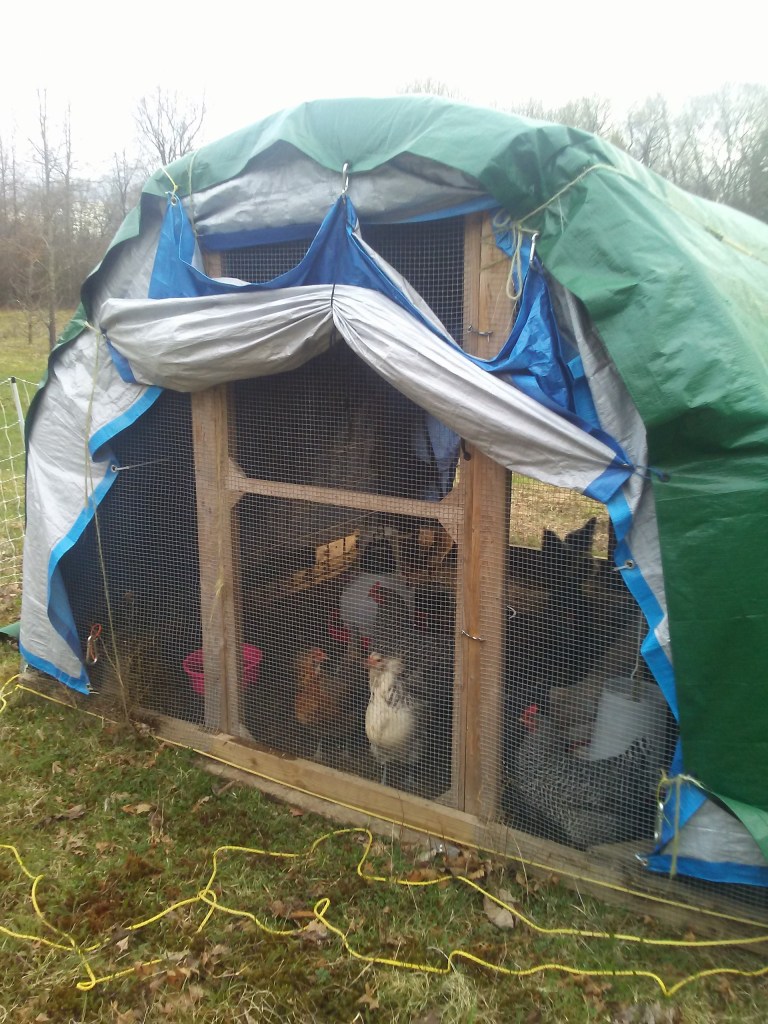
As we walked through the pasture, Nancy introduced us to her flock of chickens, which live in a special mobile coop, known as a chicken tractor.

The chicken tractor is fashioned out of simple materials.
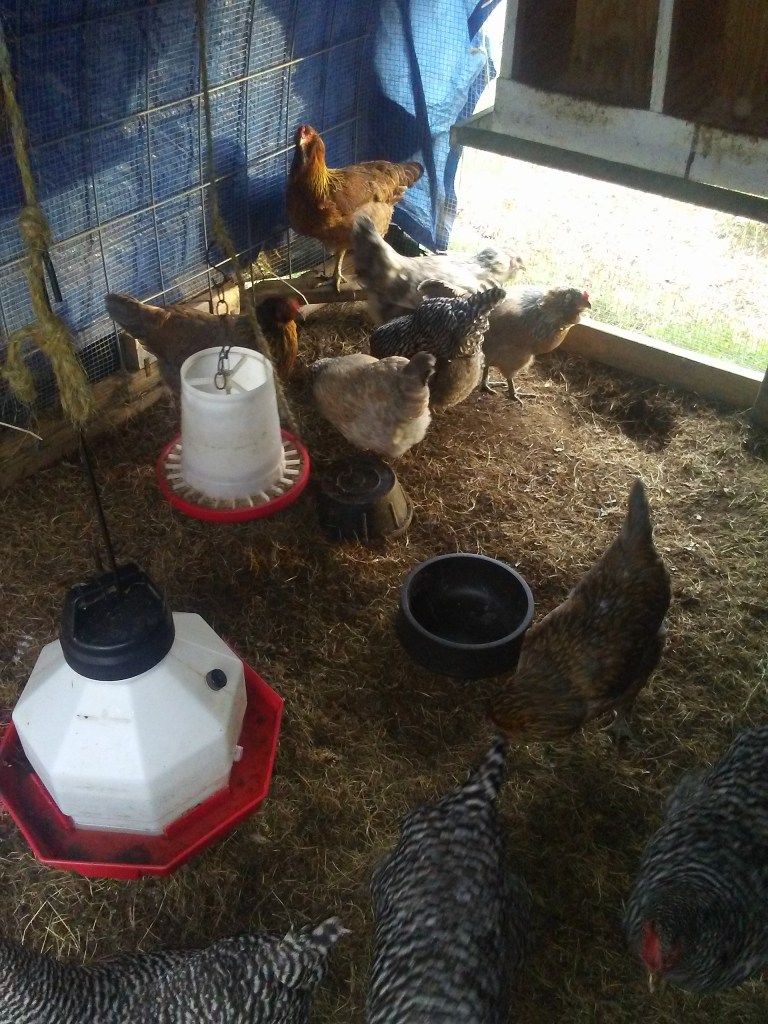
The happy, healthy hen collection at On The Road Again Farm

So what’s the buzz about chicken tractors? Maybe you’ve read about them or even raise chickens in one yourself. For Nancy, she’d been interested in building a chicken tractor for a while, but the summer of 2018 was when the dream became a reality.
Thanks to the help of her good friend Mary Ellen, and her husband, John, construction was completed in August.

The tractor has a special place in the overall management plan of the farm, and we asked Nancy to share what that entailed.

“I was inspired to build a chicken tractor as part of our parasite management plan,” Nancy said.

She went on to explain how the farm uses an Integrated Parasite Control or IPC plan to tackle the issue of and prevent symptoms of parasitic disease in their goat herd. One of the primary goals of an IPC plan is to reduce the amount of chemical deworming drugs used, as parasite resistance to such drugs is a huge problem. Pharmaceutical solutions should be a last resort, so producers must use other methods of attack first.

Yep, this is where the birds come in. Citing information provided by the Northeast Small Ruminant Parasite Control Consortium, Nancy detailed how chickens can come to the rescue.

“Specifically grazing different species on your pastures can break the parasite cycle,” She said. “Each host species is a “vacuum cleaner” for the parasite larvae of other hosts.”

With living in mobile housing, the laying hens can move around the goat pastures at regular intervals. Bad news for worm larvae, good news for everyone else! Not only do the chickens help reduce parasite problems, but their manure and natural behaviors of pecking and scratching, benefit the health of the pasture and soil as well.

As a student in the UMASS Stockbridge School of Agriculture, Sustainable Food & Farming program, Nancy took a poultry production class to enhance her knowledge of raising pastured chickens so she would be well prepared to dive into her new enterprise.

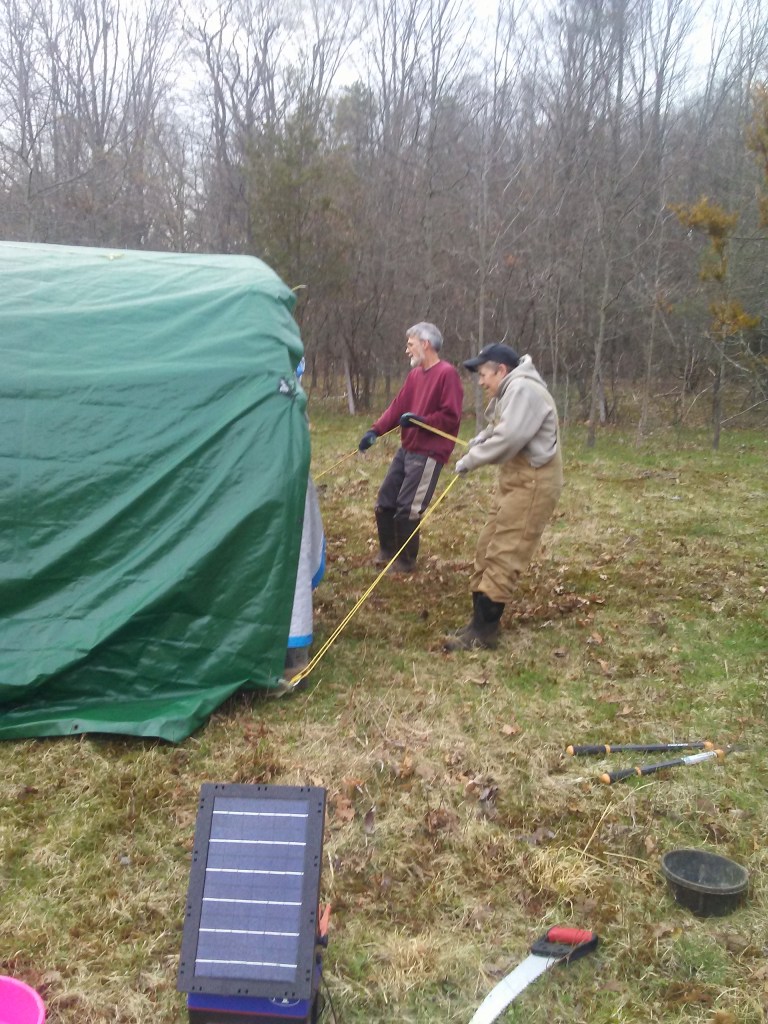
John & Nancy hustle the chicken tractor to a new spot in the pasture.

Interested In Building a Chicken Tractor?
There is no shortage of information out there on the internet when it comes to going about building a mobile coop. “Google chicken tractor and you will be overwhelmed with various chicken tractor ideas,” Nancy cautioned.

She finally settled on building plans from the University of Kentucky Cooperative Extension Service. A vital component of the tractor that can be difficult to obtain are retractable wheels. However, there is a company that specializes in making them, and they can be ordered online.

These retractable wheels are made especially for chicken tractors.

How much money should you budget for building your chicken tractor? Nancy’s coop cost her approximately $600 from start to finish. This figure includes the retractable wheel kit and extra hardware cloth that they decided to cover the coop with to help ward off predators. It’s a bit of an investment to get started or make the switch, but the benefits of housing birds in a chicken tractor are worth it.

Nancy pointed out that for the wellbeing of the chickens, it’s a win-win situation. The flock reaps all of the same benefits that chickens raised in a free-range system would- such as a diverse and fresh variety of plant material, worms, and tasty bugs for them to feed on. Because they stay within the tractor, they have much more protection against predators than they obviously would just being out in the open.

Moving the electric fence that protects the chickens from predators is much more fun with two people!


A chicken tractor can also save labor, as there is no fixed housing that needs to be cleaned and bedded frequently. Because the birds are pastured, you may also see a decrease in your feed bill, which is always lovely! When using a chicken tractor, it is essential to establish, and stick to, a regular schedule of moving.

With the design of Nancy’s coop, it is possible for one person to move solo, and no heavy machinery is required. This every other day affair takes about ten minutes, and thirty minutes if the electric fencing that encircles the tractor needs to be rotated as well. She does usually recruit the help of John, every four days when the fencing gets moved. As always, many hands make light work.

“You need to be watching the weight of your tractor,” Nancy said. “You want it to be heavy enough so that a predator or the wind can’t pick it up. But you don’t want it so heavy you need heavy equipment to move it.”

Ease of movement is one of the most important factors to keep in mind if you are thinking of constructing a mobile coop. Nancy explained that although the plans she used suggested the use of 2 X 6 pressure treated lumber in the base of the frame, she opted to use 2 X 4 lumber instead, simply to keep the weight under control.
The pastured poultry and chicken tractor project at On The Road Again Farm has been and continues to be a learning experience.

If she were to make another chicken tractor, one thing Nancy would do differently would be to make some alterations that would make overwintering the birds easier. On the existing coop, it is hard to tack up additional plastic on the ends to keep the harsh New England winter weather out. The majority of the frame is fashioned out of wire stock panels, so adding a little extra wood to the ends would help remedy the issue.

Have they started to see a payoff from using the chicken tractor? “The fertility of the pasture is definitely improved and obvious,” Nancy stated.

The tractor hasn’t even been in use for a year yet, but the pasture is much greener in the spots where the tractor and birds have spent time. As far as the impact on parasite loads, she said that more time is needed to see tangible results. Again, the coop has only been in use since last August.

Since the farm has internship opportunities for interested individuals, Nancy added that quantifying the impact on parasites would make for a fantastic student project in the future.

Raising poultry in a chicken tractor is fun and can help enhance your connection with nature. With some research and a small investment, you too can be well on your way to discovering the joys of raising pastured poultry.

Want greener pastures? Let chickens help!

Chicken Tractor Resource Library
Below are some books and other resources that Nancy used and recommends to anyone interested in raising pastured poultry.

The Small-Scale Poultry Flock- By Harvey Ussery- This book is a great comprehensive guide to general poultry management, with an emphasis on using natural methods to raise birds. The Small-Scale Poultry Flock is available for purchase in print or digital versions on Amazon.com.

Pastured Poultry Profits- By Joel Salatin– A must have book for anyone wanting to raise pastured poultry. Joel shares a wealth of knowledge and first-hand experience that can be especially useful for those who plan to have a large flock. This book is also available in digital or print format and can be purchased on Amazon.com.

Making a Hoop Pen for Pasture Poultry– These are the building plans Nancy used for the tractor. She recommends this plan because it includes good diagrams and complete supply lists.http://www2.ca.uky.edu/agcomm/pubs/ASC/ASC189/ASC189.pdf COOPERATIVE EXTENSION SERVICE • UNIVERSITY OF KENTUCKY COLLEGE OF AGRICULTURE, LEXINGTON, KY , 40546.

Wellscroft Fence Systems, LLC- This New Hampshire company is where she purchased the electric net fencing and solar charger for surrounding the chicken tractor. If you’d like training in getting started with electric net type fencing, Wellscroft even offers periodic workshops on the topic. https://www.wellscroft.com

Chickencoopwheels.com This is the best source for retractable coop wheels You can order them here

To learn more about On The Road Again Farm, Visit their website and connect with them on Facebook!

Subscribe today for updates by email!