Arms on the Farm (Featuring Squirrel’s Armory)

{Always check and adhere to your local laws regarding purchasing and using firearms.}

By Kim Vanderpool

Welcome to the intersection of agriculture- and firearms. Yep, if this topic floats your boat, this post is for you!

Allow me to introduce Greg Vanderpool, AKA “Squirrel” of the Facebook page and Youtube channel, Squirrel’s Armory. Greg has been a gun enthusiast for 20 plus years, and also happened to grow up immersed in the farming lifestyle. Recently, he took on a new challenge of online video content creation with the purpose of helping guys from all walks of life get interested in the world of firearms for themselves.

Photo courtesy of Squirrel’s Armory. Used with permission.

Squirrels Armory is a newly established offshoot of Guys in the Garage, a project started by Greg’s good friend, Josh Bates. The mission of Guys in the Garage is to help men rediscover their God-given creativity and drive by getting their hands dirty doing things and learning skills that matter.

“[Josh] wanted to create a page, and I guess you could say a movement of some kind,” explains Greg. “Where he is going to get guys off of the couch…off of smartphones…video games…just mindless, monotonous things and get them back into the garage.”

For Josh, his primary love is all things motorcycles. He posts how-to educational videos on his channels that have exploded in popularity. In the future, he hopes to expand even more and offer physical workshops and meet-ups out of his garage for people to attend in the locality of Ashland, Ohio as a service to the community.

The possibilities though, of course, are not just limited to bikes as Greg goes on to explain.

“Whether it be metalworking, woodworking, or tearing apart an engine on a motorcycle or car, he wants people to be passionate again.”

In the case of Greg, of course, it’s firearms- and his dedicated, gunpowder scented, domain of Squirrel’s Armory.

The seeds of what would grow into his present day love of firearms were first sown around the age of twelve, when his uncle let him shoot a gun for the first time and obliterate a target. Later on in his teenage years, Greg’s parents enrolled him to a formal training course, and he shot a 22 long rifle for the first time. He has been hooked ever since.

Perhaps you are new to world of firearms. Maybe you’re even new to farming or homesteading too and you’re considering gun ownership to protect your family, property, and other assets. It can be a hot button topic in modern society, and there is so much to consider. Feeling overwhelmed by all the options is totally understandable, but it can be overcome!

So do firearms have a rightful place in agriculture?

“100%,” says Greg. “…If you go back to the 1700s when firearms were becoming readily available to the public, they were used to go hunting for food…but they were also used to ward off vicious animals.”
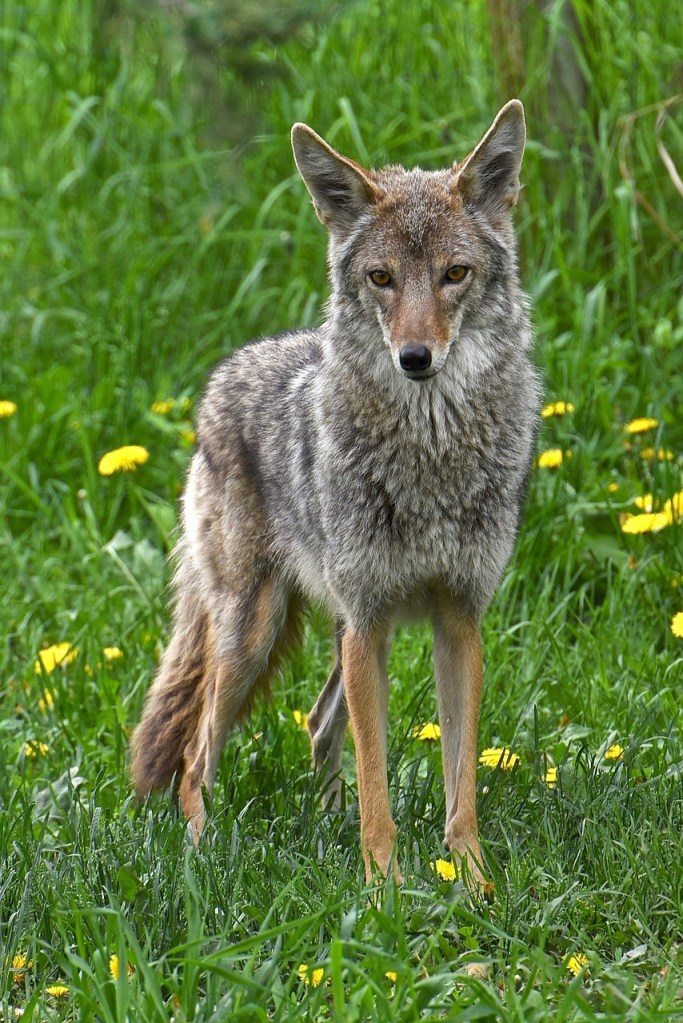
Photo From Pixabay.com

Even today in 2025, farming still holds unpredictability and danger, arising from both internal and external situations. Having legal weapons in your toolbelt can be important part of your management and safety plans.

Gun ownership is no laughing matter. It is crucial to do your homework before purchasing a firearm. The more prepared you are going in, the better.

As Greg highlights, It is a good idea to ask yourself the following three questions before even picking up a firearm:

  1. Will you be safe with it?
  2. Will you be responsible?
  3. Will you represent the gun community with integrity?

He quickly pointed out that safety and responsibility, that while they ride in tandem, they are not the same thing. In this case, being safe refers to the precautions taken and standards followed during the actual handling and firing of a loaded gun. Responsibility is all about storing the firearm securely when not in active use, so that children and other unauthorized individuals don’t gain access.

The actions of even one single person in the firearms community has the power to to impact everyone else involved- either for good, or heaven forbid…the opposite.

“You must represent [the gun community] with integrity because there are many people watching for anyone to make a mistake,” he stresses. “[And if they do], we’ll all suffer from someone else’s mistake.”

Before you head out to the sporting goods store and open your wallet, it is highly beneficial to try some firearms out ahead of time. Just like farm machinery or a new pair of boots, not every gun out there is going to work well for every intended task or be comfortable for every person to use.

Photo From Pixabay.com.

If you are fortunate to have a trusted friend that owns guns, ask them if you can try out a few different firearms and take any training that they are willing to give. If you don’t know a gun owner personally, look into some local training courses held by businesses or other organizations to help explore the basics, ask questions, and get a feel for the real deal.

On the topic of asking questions, you now might be wondering…does Squirrel himself have any recommendations on makes and models of guns that are best suited for on-farm use? Or on the flipside, does he have any that he’d steer people away from buying?

Well, yes…and yes!

“[First], I would obviously recommend that people don’t go out and buy the cheapest gun that they can find, “Greg says. “When it comes to firearms, cheap doesn’t mean good quality.”

“But there are a couple firearms that I will personally recommend, because I’ve owned them and the price is very good.”

First on his list of specifics is a 9mm handgun, the CZ P10C. For just under $400 you’ll get a trusty little gun that is well made for the price and two 15 round magazines.

Photo courtesy of Squirrel’s Armory. Used with permission.

His second choice option to pass along is the Rock Island Armory 1911 .45 ACP. Being a .45, this handgun is bigger than the CZ P10C. However, it should be noted that it does not produce a ton of recoil. This gun can often be found on sale in the price range of $299-$399.

Photo courtesy of Squirrel’s Armory. Used with permission

Besides handguns, Greg also recommends that folks look into either a pump action, shotgun, or an AR-15.


Photo courtesy of Squirrel’s Armory. Used with permission.

So if you are ready to keep moving forward and getting your feet wet in the world of firearms, make sure you head over to Squirrel’s Armory and check out Greg’s top notch, informative content on the topic. Maybe you’ll discover a new passion and even a fascination for how guns work.

Photo courtesy of Squirrel’s Armory. Used with permission.

“…I love the mechanical engineering of [firearms],” Greg goes on to say. “I have this love for complexity, when it comes to small pieces coming together to make something function with almost no effort at all. [For example, in order to work], an automatic watch requires a lot of gears, springs, counterbalances, and counterweights.”

“When all those pieces and parts are put together, when you hear the ‘tick’ on that watch- it sounds like a little heartbeat. Take apart a firearm, and it is very much the same thing. Only, except when you pull the trigger, you hear a very loud crack. That is its heartbeat.”

Another big thing Greg loves about guns and shooting is the sense of purpose it gives him, and a feeling of strength. The power they hold to help defend himself and his loved ones, should the situation arise, is important.

Photo From Pixabay.com

With many past life experiences working on the vegetable, pig, and goat farms within his extended family under his belt, Greg dreams of having his own land and homestead farm someday soon. He sees it as a way of life filled with freedom and peace.

“I would like to have a small farm that I can work the land and be able to grow crops and raise livestock,” he says. “So that not only can I learn the value of a hard day’s work, but also so that my children can be taught something that is no longer being taught in mass when it comes to the general population…”
Photo From Pixabay.com

Of course, he also wants his own own space to set up targets so he can continue to perfect his shooting skills and spend time with some of his personal favorite guns, such as his HK USP .45, or his Smith and Wesson Magnum revolver.

But in everything to do with future plans and ambitions, Greg keeps a mindset of faith and gratitude. He encourages others to do the same.

“All of this is only possible with God’s plan and the blessings that He is willing to give to all of us. Whether it is my passion with firearms or helping Josh with Guys in the Garage or trying to build towards a homestead lifestyle…everything comes from God.”

May this be your challenge to learn something new and share the fun with others! I hope you’ve enjoyed getting to know “Squirrel” and a little bit about his shenanigans. Check out Squirrel’s Armory and Guys in the Garage directly for more information or on how to get involved.


Guys in the Garage

Squirrel’s Armory

Photo courtesy of Squirrel’s Armory. Used with permission.

Winter (Squash) Wonderland

By Kim Vanderpool

Do you know winter squash?

Here in my little corner of the world, like it or not… winter is nigh. I don’t know where this year went, but at the time of writing this, Christmas is literally just days away! Anyway, to help retaliate against the chilly weather of the current season, piping hot stews and other cozy comfort foods are popular menu items in many kitchens these days. There is no better time than the present to tap into the healthful, tasty, and versatile world of winter squash.

What is a Winter Squash?

On a worldwide basis, there are more than 800 species of plants that find their place within the Cucurbitaceae family. The Cucubitaceae family- or to say it in everyday vernacular- the gourd and cucumber family- is filled with vast diversity and usefulness. Squash plants fall into the Cucurbita genus, which also includes fun, decorative gourds and iconic pumpkins. These are all annual plants that can grow in a vining or bush fashion. They have their native roots in both the North and South American continents.   

Butternut, spaghetti, and acorn are common examples of winter-type squash varieties. Unlike a typical summer-type squash, such as the zucchini, these fruits mature to have a tough, shell-like exterior skin. This feature allows for the long-term storage of fruit for use into the winter season… so yes, this is where the term “winter” squash is derived from!

Nutritionally speaking, winter squash is packed with a ton of good stuff. They are a great source of healthy carbohydrates and dietary fiber. They also contain notable amounts of magnesium, potassium, beta carotene, vitamin C, vitamin B6, and protein. These are all great attributes that should positively benefit the diets of most people.   

Types of Winter Squash      

Growing up in New England, my mom often cooked up winter squash during the cold months. It was usually acorn or sometimes butternut. Admittedly, I’d never really thought much past those two. There are other options out there, however. In an article by Pete Zuck, a research and development manager at Johnny’s Selected Seeds, seven varieties are discussed and compared.

Alongside the trusty above-mentioned squash types, there are some other more unconventional varieties highlighted there such as the kabocha, hubbard, delacita, and buttercup.  Let’s give them a quick look.

Acorn squash looks just like- an acorn that is! They are great for introducing taste buds to the world of winter squash. With most varieties weighing in at around two pounds, their convenient size makes them easy to handle and prepare, and roast in the oven.

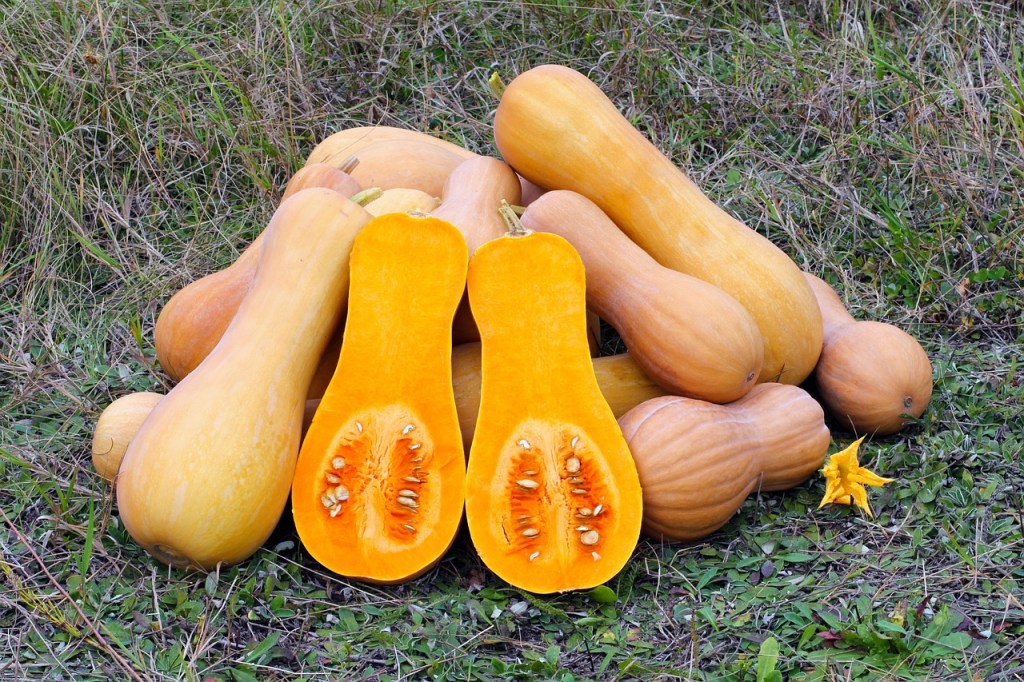
Butternuts are typically the classic oblong specimen with a pale tan color on the outside and a bright yellow/orange interior. They can be stored away for a long time without spoilage. Butternuts are excellent for use in recipes such as pies or pureed soups.    

Kabocha squash– while a favorite in Japan- hasn’t yet earned the same fame in the American market. This unsung gem is available in a variety of colors and sizes depending on the strain. They boast a sweet flavor and their texture is firmer and less moist than other types of squash. This makes kabochas ideal for roasting and might be a good alternative for those who find squash that cooks down to mush to be unappetizing. 

The Hubbard squash is tried and true and an old standard. Some strains of hubbard (check out the Blue Hubbard) bear fruit boasting an average weight of 12-15 lbs! They are great if you have a recipe that requires plentiful squash flesh with a non-overpowering flavor.   

If a sweet-flavored fruit with a tender and edible (when cooked) skin is desired, then the delacita variations of winter squash are the perfect fit. Delacitas often resemble acorns in shape and have an attractive white and green striped color pattern on the exterior.

The Buttercup squash bears a resemblance to kabochas but with the addition of a peculiar navel-like protrusion on the bottom! They are also less dry and have a good flavor that complements other foods nicely- such as fruits and cheeses.    

Finally, the spaghetti-type varieties of squash are another unique option. The demand and favor for them have been on the rise in recent years. With more and more people searching for alternatives to wheat products, the stringy flesh of the spaghetti squash can be a stylish and tasty substitute.  

Growing Winter Squash

Squash cultivation is compatible with various climates and is therefore practiced throughout the world. Plants belonging to the Cucurbita genus are annuals, which means they need to be replanted from seed each year. They are sun-loving plants, so they must be grown in an area that receives full sun- at least six hours of it per day. For optimal growing, sow squash in loamy soil that has good drainage and adequate organic matter available for nutrients.    

Squash varieties with the tendency to vine, produce tendrils to anchor and support themselves as they grow. The leaves of squash plants can get quite large, and they are covered in fine prickly spines. All this being said, squash requires ample space to grow. Plants are often grown in groups of two to four in circles of mounded-up soil or hills. This technique helps facilitate cross-pollination by bees, encourages drainage, and can help keep tender plants warmer at the beginning of the season.

Consult the seed packet or plant tags for planting guidelines specific to the type of squash being grown. The recommendations surrounding soil preparation, planting time, seeding depth, transplant spacing, and so on, can vary by variety. It is important to keep in mind the longer growing season that winter squash has, as opposed to summer squash. Many winter squash varieties take an average of 90 days from initial seeding to yield mature fruit. In contrast, zucchini and yellow squash plants typically only need 50 days or less.           

Common Pests and Diseases

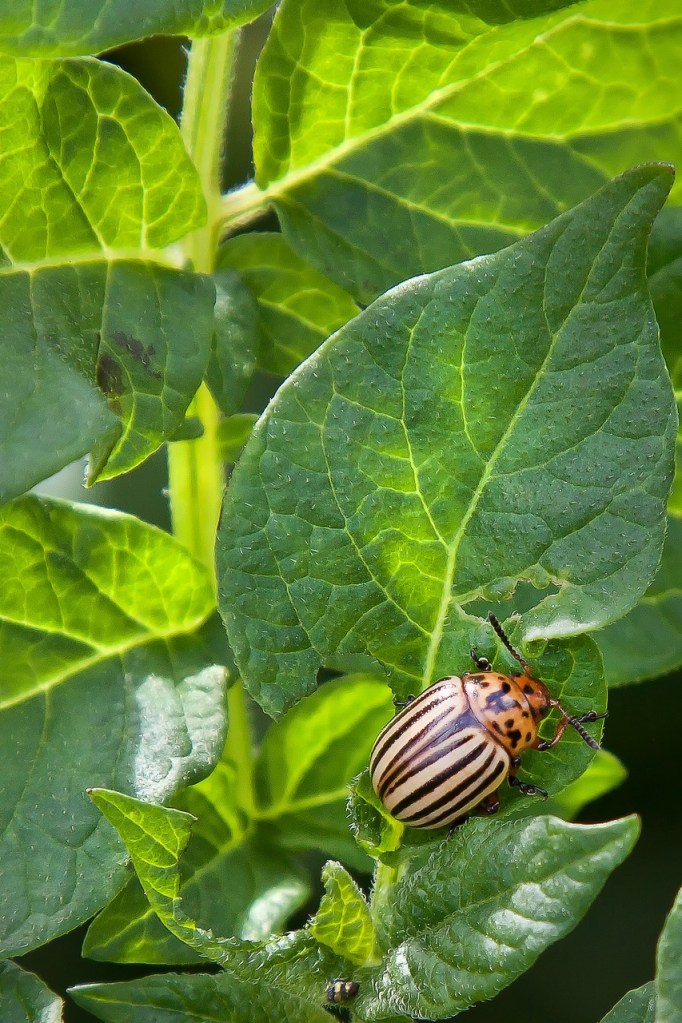
Humans are not the only species that find squash tasty! Just like any other crop, squash plants are prone to pests, as well as other disease issues. Squash bugs and vine borers are two major kinds of pests that can cause serious damage to a crop. Powdery mildew, anthracnose, and angular leaf spot are some other disease problems that can also wreak havoc.

Preventing and keeping these problems under control does not necessarily mean that the use of chemicals is required. It does mean that knowing the signs and proactively scouting crops regularly is important for identifying problems while they can still be remedied. Other tactics, such as rotating squash to different planting locations in the garden each year, can help prevent problems from spreading from one season into the next. It should certainly be employed if a disease outbreak did occur.          

Harvesting and Storage

Growing winter squash certainly requires time and patience for the fruit to be ready to harvest! Again, it is always a wise idea to consult information specific to the type of squash being harvested to determine when it is the optimal time to do the deed. Nikki Jabbour, a writer over at Savvygardeing.com, has a great article with some general winter squash harvesting tips.

Don’t hurry into pulling that squash from the plant. Timing of the harvest is important- along with gentle handling of the fruits, correct curing techniques, and a good storage set-up. Before grabbing the harvesting knife, make sure that at least 50 days have gone by since the fruit first appeared on the plant and the seed company provided days to maturity target date has been surpassed.

Be sure that the outer shell has hardened up nicely, has a good mature color to it, and a hollow sound inside when lightly thumped. Do make sure to harvest before the first killing frost descends upon the region. Quality and shelf life can be negatively affected by exposure to frost.

When removing the fruit at harvest, use shears or a suitable knife. Trying to break them or twist them off is not recommended. Don’t cut the stem off too close to the squash- try to leave a couple inches. Picking up a squash by the stem should be avoided, too. To initiate the curing process, simply set the harvested squash outside in a sunny location, and leave them there for at least a week. If there is a risk of a frost happening, bring the produce indoors.       

The best environment for storing winter squash is somewhere that has a temperature range between 50 and 60 degrees Fahrenheit, and humidity range between 50% and 70%. But if the fruit has been properly cured, a higher room temperature can still be suitable. Don’t stack fruit on top of each other or pack them tightly in a container. A single layer of squash is the way to go, and it allows for easy visual monitoring to check for any signs of mold or decay.    

Using Winter Squash

The culmination of all the hard work put into growing the crop is a useable, high-quality winter squash fruit! Exact usage and recipe suggestions will vary depending on what types of squash were grown. There are hundreds of recipes and inspirations out there for making great use of the winter squash harvest- just a quick Google search will not leave anyone empty-handed. Even the pickiest of eaters could likely be enticed by at least one of the creative options that exist today.  

Here are just a few interesting recipe examples (with links) to get the wheels turning and the taste buds tickled:    

From simplistic to elaborate, there is a squash recipe for everyone and every occasion! I hope this blog was informative and interesting. If you are already a winter squash fan, what is your favorite recipe? If you are a newbie to the winter squash world, which variety sounds most appealing to you?

Let me know in the comments!

Merry Christmas and Happy New Year! I hope to see you back here for more fun in 2024 🙂

Hey! Our next blog post could be all about YOU!

Hey Friends 🙂 It’s time to bring this blog back to life!

If you’re looking for a little free publicity for your agricultural business, (who isn’t, especially this year, right???) look no further! We’re looking for businesses to write articles about on our blog. Again, there is no cost to you to participate.

To get an idea of what an article about your enterprise would look like, check out some of our recent posts like these:

We’ve copied some questions below so we can get to know you a bit. If you’d like to be a part of this, please answer the questions below and return to us at sweetsavannahwriting@gmail.com.

If you have any other questions about this opportunity or need the survey in a different format, just shoot us a message today!

Oh, don’t forget to share this opportunity with your friends. 😉

INTERVIEW QUESTIONS

Farm/Ranch/Agribusiness Name:

Location:

Name of person and their position in the business answering these questions:

How long have you been in operation and how did your business get started? Please provide a brief history.

Who is involved in day to day operations of the business? Do you have employees?

What products or services do you offer?

How do you market your products/services? (Farm stand, wholesale, internet, tradeshows, etc.)

Are you making any exciting changes or have big plans for the future that you’d like to share? (Expansion, new products, etc.)

What is your favorite thing about what you do? What about the least favorite or most challenging?

Do you have a website and or social media accounts for your business? Please provide applicable links so we can help you spread the word!

Anything else you’d like to share?

Dairy Girl Fitness- Strengthening Women & Promoting Dairy

By Kim Buddington

To all my dairy loving, hardworking farm gals out there…are you working on a health and fitness goal or two this year? Or maybe you were, and then a certain global crisis struck and threw you off? (Stress eating anyone??? Ugh, guilty! ;/ 😉 It’s no secret that the web is teeming with diet plans, exercise programs, recipe ideas, and much more. Social media channels are crowded with fitness “influencers,” which many of us look to for ideas and motivation to keep moving towards our goals.  

I’m not going to lie; you could call me a typical 25-year-old in this regard. I’ll admit to doing my share of scrolling and YouTube watching for content in this department. Keep in mind that I do generally take what people say with a grain of salt, as many of these content creators have limited education or credentials in the health and nutrition field, to begin with.

But either way, as someone involved in animal agriculture and the dairy industry specifically, I found the amount of dairy bashing and misinformation out there to be disheartening. I couldn’t relate to these individuals and their way of life much at all. I thought to myself, “There have to be people out there promoting healthy, balanced lifestyles that include dairy products, right?” So I did some more digging and got a little more specific with my keywords.

I wasn’t disappointed, as one day, I came across Emily Shaw and her Dairy Girl Fitness Facebook group. Today I have the privilege of introducing her here to all of you!

Emily Shaw of Bell, Florida, is a NASM (National Academy of Sports Medicine) certified online personal trainer. In addition, she also earned her Bachelor of Science degree in Agribusiness Management with a specialization in Dairy Science from Penn State University. Dairy cattle have been an intrinsic part of her life from a young age.

Fitness photo session with Emily Shaw on Sunday, June 30, 2019 at the Downtown Gainesville in Gainesville, FL. Photo by Matt Pendleton for Matt Pendleton Photography

“We grew up raising dairy show heifers (Holsteins) at our house, and were heavily involved in 4-H, FFA, and Junior Holstein Association,” Shaw says. “We were involved with showing, judging, dairy bowl, dairy jeopardy, you name it!”

When not in the barn or out showing, she remained very active and dedicated much of her time to sports. Softball, basketball, and dance were just a few of the athletic activities that Shaw loved to participate in as a youth.  

“I’ve always had a high interest in dairy promotion and marketing,” Shaw explains. “But after graduating from college in 2017, I wasn’t able to find a job within that field. SO the idea of creating an Instagram page that allowed me to promote the dairy industry and products popped into my head.”

This Instagram account would be special, though, as Shaw specifically wanted to meld the things she is most passionate about- the advocacy for dairy consumption with fitness and health. She also lamented the amount of negative press that dairy gets across social media, especially from many of those who currently represent the fitness industry.

So she put herself out there as a fearless AGvocate, bringing Dairy Girl Fitness to life! As a fitness coach, Shaw is all about aiding women in the achievement of their goals to promote and sustain good health.
“I want to help women feel strong, confident, and healthy, and let them know that they deserve to feel that way,” Shaw states. “My goal is to show women it is not selfish to prioritize your health, and you don’t have to do it in a restrictive, unsustainable way.”

Utilizing technology, such as phone apps, Shaw works individually with each of her Dairy Girl Fitness clients. She helps them navigate through custom nutrition plans and exercise routines, as well as cultivating the right mindset for success.

On the Instagram page, Shaw is always posting awesome content. You’ll find photos (yes, plenty of them also feature cows :), workouts to try, mouth-watering recipes that include dairy products, general inspiration, dairy farming facts, and more. In the Facebook group, you can mingle with like-minded girls, and share your inspirations, victories, and struggles. It’s a very uplifting and relatable community to join.

Like every other figure on social media that tackles the task of standing up for dairy and animal agriculture, Shaw has experienced negative feedback from those who have different viewpoints. But interestingly enough, Shaw actually welcomes these interactions. Why? Because every comment made on Instagram- good or bad- helps increase the reach of what she posted. In turn, more people have the opportunity to learn about the goodness of dairy from her content as it becomes more popular.

Shaw also knows who her target audience is. “Those people that take the time to comment nasty things on a post of a stranger are not our target audience,” she explains. “Our target audience is people who want to make healthy choices for themselves, their families, and the environment, but maybe feel unsure with all of the information out there. We have to realize that most people just want to learn and understand the truth, and we have to continue showing up to allow them to see that.”

Does Emily Shaw of Dairy Girl Fitness sound like the personal trainer you’ve been looking for? If you’d like to explore the options of working one on one with her, you’re welcome to touch base with her directly via her Instagram, the Facebook group, or simply shoot her an email!

Maybe you’re not in the market to work with a coach, but you do want to improve your fitness level and feel your best. Perhaps the demands of farm and family life make you feel like you’ll never be able to get there. Well, …you’re in luck. Shaw still has some valuable advice to give you.

“Everyone is busy! You may not always have time, but you have to make time for what’s important to you,” Shaw says. “And this doesn’t mean it has to be 5-6 workouts a week, and everything looks perfect and spot-on right away! You have to start with small, realistic goals that you know you can achieve without feeling overwhelmed.”

She emphasizes that any little positive change you can make, will accumulate over time and give you a strong base to build on. If, say, two quick workouts per week and adding a few more nutrient-dense foods to your shopping list are what you can handle as you get started (or re-started), that’s great! It gets the ball rolling in the right direction, and you can always keep growing with baby steps and sustainable new measures.

Shaw also makes another crucial point, one that I think all busy women in agriculture especially need to hear.

“YOU CAN NOT POUR FROM AN EMPTY CUP! It is not selfish to take care of your health and happiness,” she stresses. “When you feel healthy, confident, and energized, you can then show up as your best self for others in your life.”

So go do something today that benefits your physical and mental health. And the good news, ladies? It ought to be fairly clear by this point…but you don’t have to sacrifice all your favorite dairy delights to succeed! Shaw certainly doesn’t. After accomplishing a tough workout, she can often be found enjoying some REAL chocolate milk to help restore and refuel!

“Never feel like you have to fit a mold to be successful,” Shaw adds. “AND just because you may not be at the end destination of your health and fitness journey, doesn’t mean you shouldn’t appreciate and be proud of your body. The journey is what will teach you how to love your body and treat it the way it deserves.”

Take care of yourselves, folks! Especially in the trying times that we currently find ourselves, don’t forget to take the practical steps needed to show yourself love and grace. Let’s raise a glass of our favorite REAL milk to our dairy farmers, and a healthy, stronger tomorrow for everyone.

Subscribe now for more content like this!

Introducing SaskDutch Kid- Where Dairy Farming & YouTube Meet

By Kim Buddington

If you’re anything like me, you’ve probably inadvertently found yourself up here. Wide awake, 3 hours past your bedtime, thanks to watching video after video on YouTube. It’s just so easy to do, right? One can search up and watch videos about anything on the planet. You can go from episodes of old TV shows from 30 years ago, to people filming themselves trying weird food combinations, and on to documentaries about the most pressing issues of today. It’s impressive when you really stop to think about it—the influence and potential to influence borders on infinite.      

Let me ask you this. With all the options out there, do you have any agricultural channels on your subscription list? If not, you should. Today I’m excited to say that I have the great honor of introducing you to my favorite agricultural YouTube creator, Jan Kielstra, AKA SaskDutch Kid!  

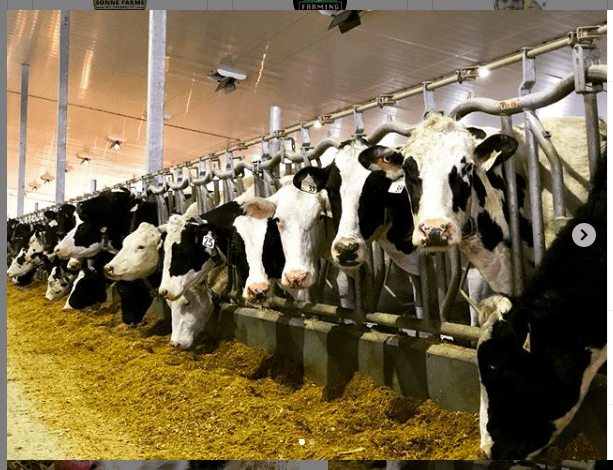
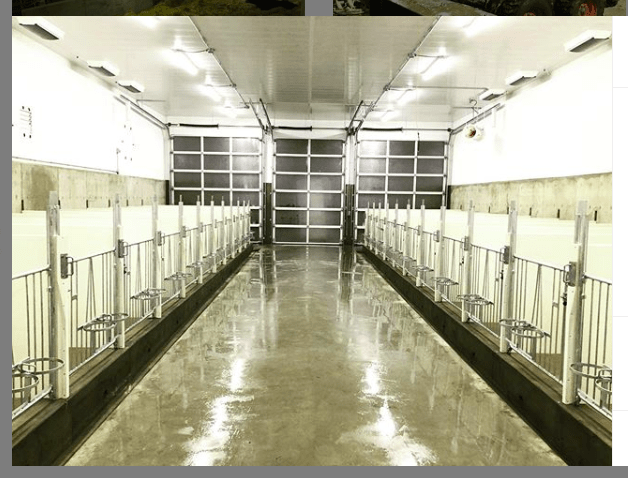
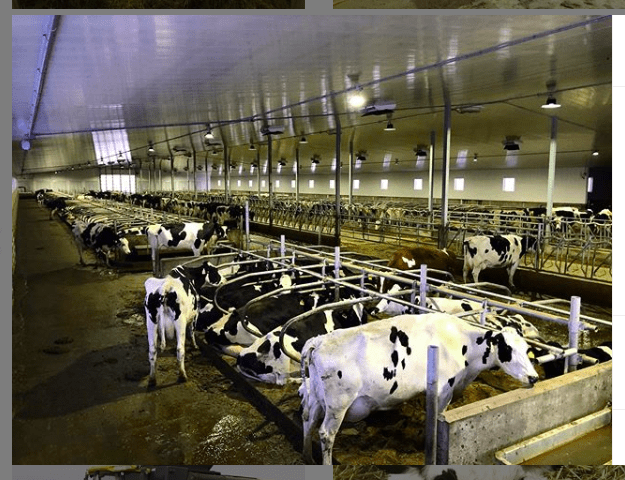
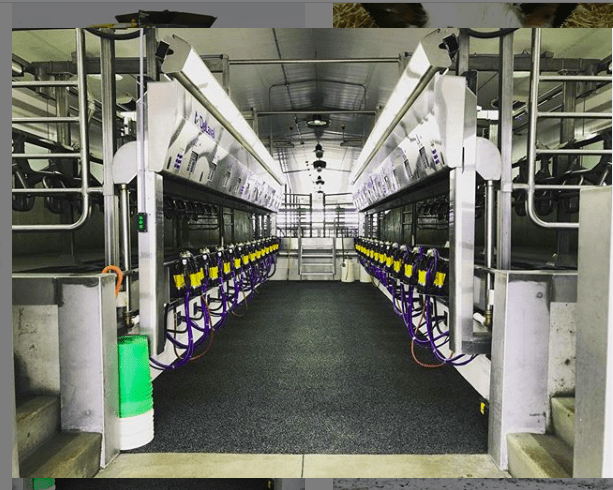
The Kielstra family has been dairy farming in Saskatchewan, Canada, since 1996. Kielstra Holsteins had humble beginnings, with Jan’s parents starting by milking just 42 cows. Over the years and as Jan grew up, their operation has enjoyed steady expansion. Most recently, in 2018, the family began a major overhaul of the whole farm, which included a brand new free-stall barn with 256 stalls and a bedded-pack barn. Not only that, but they also installed a luxurious double 12 milking parlor (Allows for 24 cows to be milked at a time), and a calf barn fit for royalty.

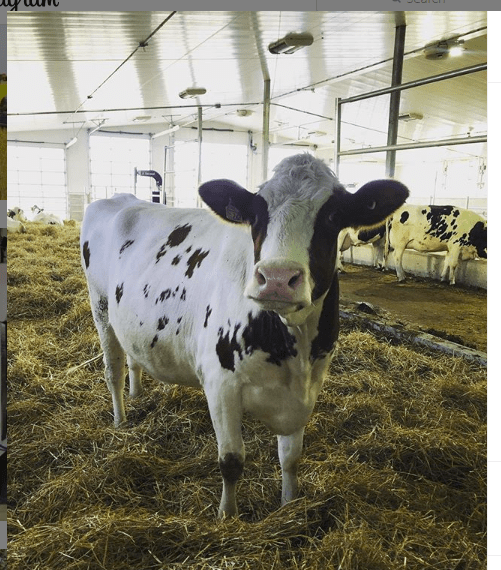
Part of the Kielstra’s new calf barn!
Photo courtesy of Jan Kielstra via Instagram. Used with permission.
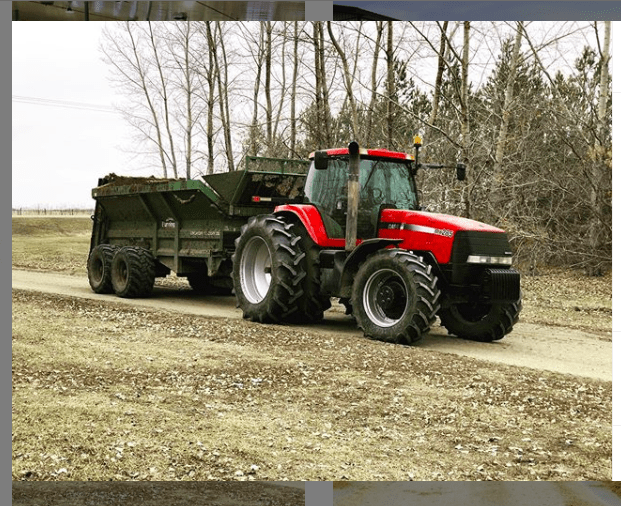
Outside view of the new milking facility.
Photo courtesy of Jan Kielstra via Instagram. Used with permission.

This prime example of how advanced dairy farming has become today provides a stellar backdrop for Jan’s videos. In the same way that the farm has evolved with time, so has his SaskDutch Kid channel.

“I had started the YouTube channel back in 2015 when I saw a local guy’s Youtube called SaskDairy, “Jan explains. “The videos I made back then didn’t have any narration, only cool drone shots, and music.”

But Jan always wanted to make vlog-style (where the person filming is also talking to the camera) videos about his farm. More and more folks in the agricultural world have been delving into making these types of online videos recently, many of which Jan speaks highly of, and credits with helping drive him to open up his farm to the world.  

“MN Millennial Farmer, 10 Generation Dairyman, and Welker Farms are some of the channels that I was watching before I started the vlogs,” he says. “I always loved watching their videos and always wanted to make them as well.”

Late last summer, August 31, 2019, to be exact, was the day he finally took the plunge- his first narrated video was uploaded and live! He walked and talked viewers through the process of feeding the cows, complete with visual enhancements using the drone, go-pro footage, and even cinematography.
Free-stall barn for milking cows.
Photo courtesy of Jan Kielstra via Instagram. Used with permission.

There was no turning back for Jan after this point. He has added numerous high-quality educational vlogs since then, with his top video now at 1.4 million views, and his audience growing to 50,000 + subscribers!
It can be time-consuming to make videos, but Jan finds it worth the commitment. Since he already works fulltime on the farm, filming will typically add on an extra hour and a half of work to his day. It doesn’t end there though, the raw footage then needs to be edited. The timing of the process varies from video to video, but editing will usually keep him occupied for up to 3 hours.

“I really enjoy everything, hitting the upload button on a finished video,” Jan says. “I am always reading the first comments that come in. Seeing the positive reactions people have to our farm always makes it worthwhile.”

Like it or not, web-based platforms such as YouTube and a myriad of social media apps are here. Their use is widespread and has much influence on how people think and make choices in life. All of us who are involved in farming and the world of food production ought to be putting ourselves out there and sharing the truth, along with our processes, passion, triumphs, and tragedies. If you have a farm story to share, please consider doing it!    

Squeaky clean milking parlor!
Photo courtesy of Jan Kielstra via Instagram. Used with permission.

“We as farmers have an incredible opportunity with social media to now be able to directly educate the consumer on how their food is made,” Jan states. “That’s the main reason I started with social media. If we don’t show how we do things on a farm, someone will.”

Jan is exactly right, and that “someone” isn’t necessarily going to portray things accurately. Whether it be out of pure ignorance and misunderstanding, or by blatantly twisting and falsifying information to promote an agenda- the public image of modern agriculture often gets tainted thanks to those trying to tell someone else’s story without a complete understanding.

If you want to get online and advocate for agriculture, but feel overwhelmed, start small and simple! If you ask Jan, he’ll tell you, “…just pick up your phone and start taking pictures and videos of what you do around the farm!”

You don’t need to go out and spend a fortune on fancy equipment or software to get going. If making videos is what you’re aiming for, there are many free and easy to use programs out there for editing. So whether you raise beef cattle or dairy goats, grow field crops or apples, …or anything else on a large scale or the micro side- consumers want to see it. Many are even willing to learn and understand the whys of what we do too, if just given a chance.

Photo courtesy of Jan Kielstra via Instagram. Used with permission.

Since Jan has started making videos, he has received negative comments from viewers who either don’t agree with or don’t understand dairy farming and animal agriculture in general. But at the end of the day, he doesn’t let it ruffle his feathers too much.

“It’s most likely just some bored person sitting around in their apartment with literally nothing better to do with their time,” he states.

Jan’s time and energy are of course valuable, so he must pick and choose which comments to reply to, and which ones to just disregard. If someone is asking an honest question, he’ll do his best to answer them. But then there are some angry “keyboard warriors” who just can’t be reasoned and are not willing to be educated- these are the comments that he simply ignores so he can carry on with the day.

This type of thing goes with the territory of putting your life online. It’s important to realize this and be prepared for some degree of less than positive reactions to the content you post on social media. Not everyone is going to agree, and that is their rightful choice. All we can do is show what we do and why- and not respond to hate comments with more hate.

Photo courtesy of Jan Kielstra via Instagram. Used with permission.

As for Jan, he plans on keeping on doing exactly what he’s been doing…and more. He’d love to reach 100,000 YouTube subscribers this year. If you’d like to help him hit and surpass that goal, I think you know what to do 😉 On the farm, he is working towards increasing milk production once again in their new facilities. The first and foremost priority, though? Making sure the cows remain healthy and content, of course. Well, from what I can tell, I’d say Jan and family are doing a spectacular job. Go and visit SaskDutch Kid today on YouTube and Instagram and see for yourself.  

Subscribe by email for more posts like this!

Welcome to Aussakita Acres- Where People & Animals Connect

By Kim Buddington

Have you ever heard of or been part of a Piglet Social? What about a yoga class…among goats? At Aussakita Acres Farm in Manchester, Connecticut, you can experience both of these unique activities, and so much more!

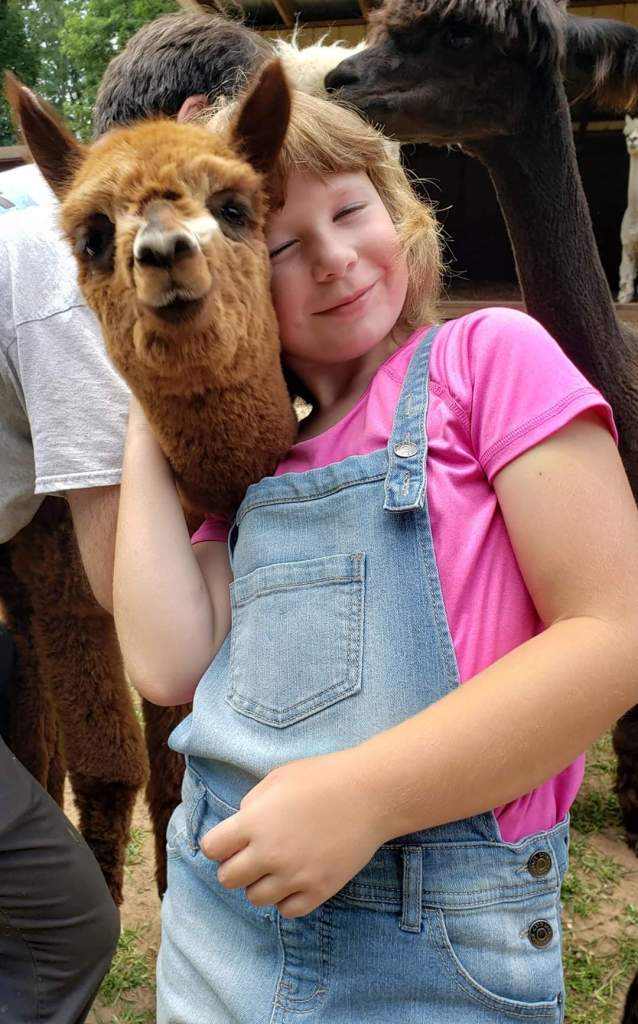
For the past 12 years, farm owner and Professional Dog Obedience Trainer, Tracy Longoria has been pouring her passion for connecting people and animals into Aussakita Acres. Her business enjoyed much growth and success in that period. It continues to flourish now and hopefully well into the future. The farm features a colorful variety of different animals, including goats, pigs, alpacas, ponies, and waterfowl…to name a few.

Photo courtesy of Tracy Longoria. Used with permission.

“When we bought our property back in 2007 we knew we wanted to reclaim this old farm and add some animals to it but we never thought it would be the amazing farm it is today,” Tracy remarked in a recent interview with us.  

The majority of children today are growing up further removed from farming, animals, and the natural world than their parents and grandparents did. As wild as it may sound to those of us who have grown up on farms, many kids and young adults in our communities have never even touched animals such as pigs and goats.

Tracy experienced this scenario first hand during the early years of running her farm, which in turn helped solidify the future direction and focus of Aussakita Acres.

“One day a friend stopped by with his young daughter. They were from a very rural town and we thought she would have loved the animals but she was actually afraid,” she explained. “Little by little her courage grew and within an hour or so she was holding baby goats and petting ponies.”

“This made me think of all the children who never get to meet farm animals and how they must be afraid of them too. So that is how the true meaning of our farm was born. We want to share our animals with others and educate people about them.”   

Photo courtesy of Tracy Longoria. Used with permission.

To provide some context to those who might be unfamiliar with the area, Manchester, Connecticut, is a town of around 58,000 people that lies to the east of the capital city of Hartford. The dense and diverse population in the region offers many opportunities for Tracy and family to do what they love, in a fun, non-threatening environment for people of all ages.  

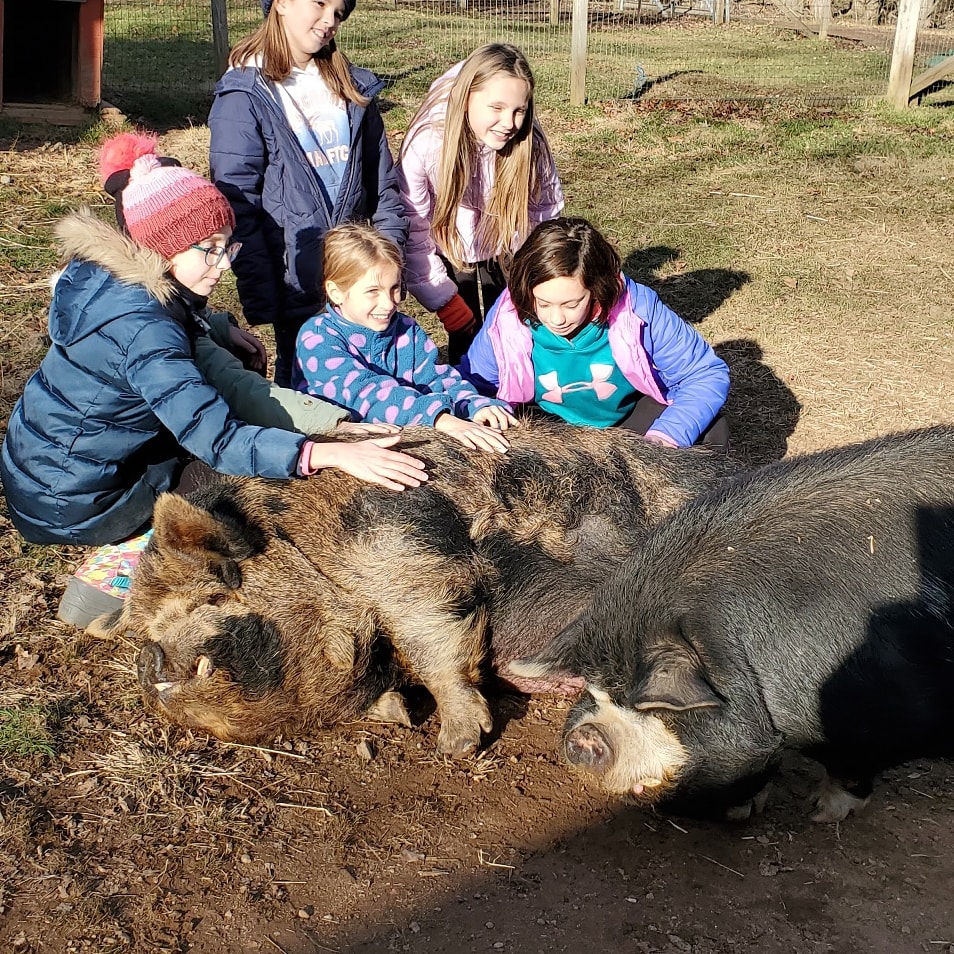
The farm opens for the season in April of each year. What’s the main attraction at that time, you ask? Irresistible, bouncing baby goats, of course! During a Baby Goat Social at Aussakita Acres, participants are welcome to come out and take a break from the demands of their busy lives and sit amongst the goat kids and their moms. Guests can pet and snuggle the babies, or just enjoy the wonder of watching little goats be little goats.   

Photo courtesy of Tracy Longoria. Used with permission.

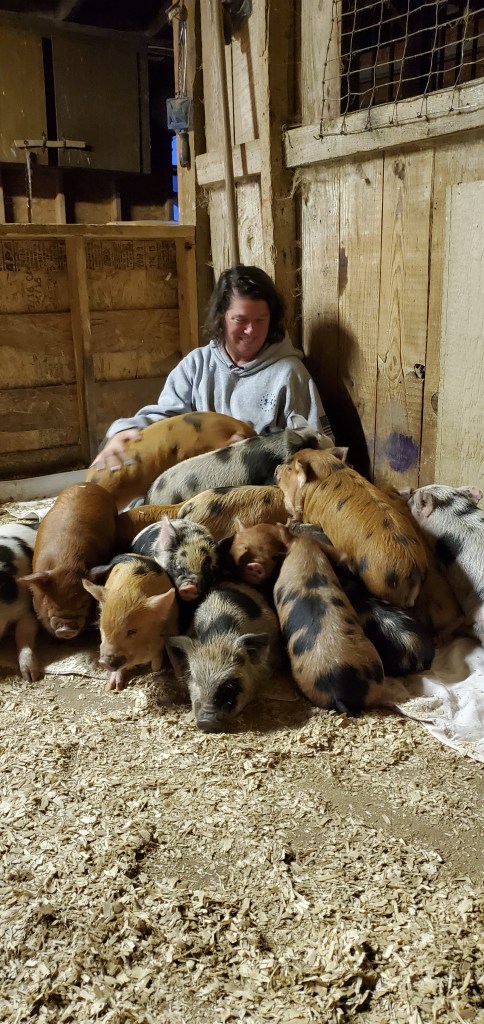
Just like the Baby Goat Socials, a little later in the season when the piglets are born, Piglet Socials are another popular offering at the farm. If you’ve ever wanted to give a piglet a belly rub, this is your chance! Or you can simply relax and observe or play with the babies.

Photo courtesy of Tracy Longoria. Used with permission.

You may have read about it or heard of it on the news, but recently, Goat Yoga classes have been exploding with popularity. It’s safe to say that Aussakita Acres knows how to offer a fantastic Goat Yoga experience.

“We have been the premier Goat Yoga destination in CT for four years now,” Tracy said.

For the past three years, they have also enjoyed running Goat Yoga events for the local baseball team, the Hartford Yard Goats! Would it be appropriate to say that they’ve hit a home run in this department? 🙂 If this sounds like it might be your cup of tea, grab your yoga gear and check it out.

The list of hands-on opportunities with farm animals at Aussakita Acres goes on. You can attend a Goat Gathering with the whole herd, as well as tour the entire farm and even try your hand at livestock care. Animal husbandry clinics are even offered for those who’d like to dive deeper. It’s all interactive! Interacting with animals can have fantastic therapeutic benefits for people, regardless of age.

Photo courtesy of Tracy Longoria. Used with permission.

Individuals living with mental and physical challenges, as well as people fighting through addiction, may find socializing with animals particularly helpful. Because of this, the farm has formed unique partnerships with organizations that aid people with special needs and offers tours tailored specifically for them. What a wonderful way to provide a breath of fresh air to those who need it most.  

If you’re having a birthday party or shower, you can have it at Aussakita Acres. Guests can now book the shiny, recently constructed 38’ x 40’ building on the farm to have events on this little patch of down-home heaven. On another very exciting note, the farm will be offering something new for the 2020 season.

Photo courtesy of Tracy Longoria. Used with permission.

“Coming this spring, we will also have the option for people to do a farm stay experience in our new Airbnb,” Tracy told us.

That’s right, an overnight vacation on the farm! How neat is that? Don’t take our word for it though, check it out for yourself if you can. There truly is something for everyone.

We asked Tracy what her favorite farm animal experience that she offers was.

“It has to be Piglet Socials,” she remarked. “Because people have no idea just how social and loving pigs really are until they take the time and sit with them!”

Another thing that she loves about her farm is that each of the animals raised there has a specific and predetermined purpose. “…every animal on our farm is raised for education or to become a pet, a companion or a therapy animal,” she emphasized. “No animals are raised here for consumption!”

A lot of love, hard and messy work goes into running a farm. Tracy’s operation is no different, and she speaks candidly about the realities of raising these animals. “It is a dirty, expensive lifestyle that is done out of pure passion and not profit.”

Photo courtesy of Tracy Longoria. Used with permission.

If you are interested in supporting this passionate small business that is doing so much good in their local community, you are invited to visit their website and connect with them on Facebook and Instagram! There you will find all the information needed to book your farm experience and stay up to date with everything going on.

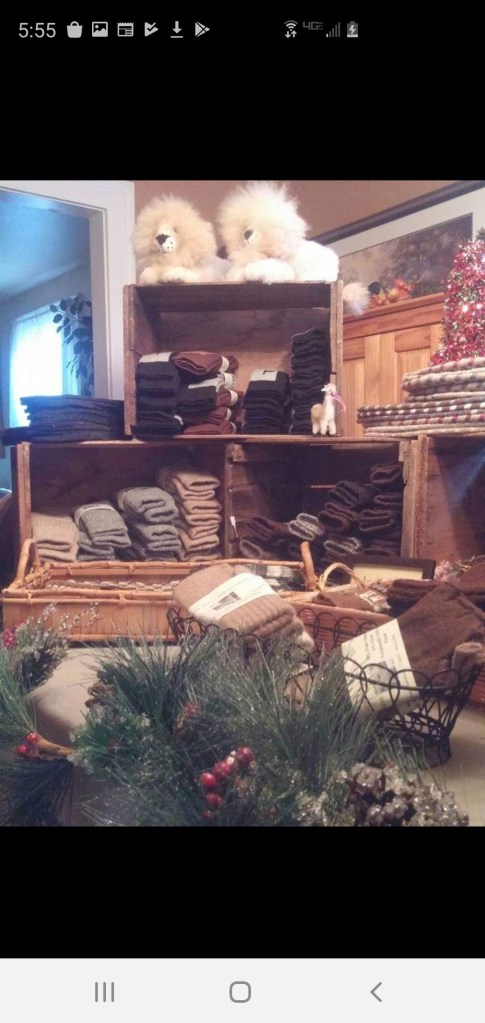
Oh, and when you do visit the farm, don’t forget to pick up some luxurious Alpaca fiber products (made with fiber from their own Alpacas, of course) before you leave!   

Photo courtesy of Tracy Longoria. Used with permission.

*Please note that Aussakita Acres is OPEN BY APPOINTMENT ONLY. Guests are required to make advance reservations, so adequate preparations can be made for your visit. Please also be advised that for the health and safety of your family, the farm prefers that any children coming to visit be at least five years old. Also, some activities may have different age restrictions as per USDA guidelines. Please consult Aussakita Acres for more information. 🙂 *

Email: mailto:aussakita-acres@att.net

Aussakita Acres Farm

555 Lydall Street

Manchester CT 6042

860-930-0895

Photo courtesy of Tracy Longoria. Used with permission.

Want more stories like this? Subscribe by email today!

Milk Quality Control- For the Homestead & Hobby Farm

By Kim Buddington

For many farming folks, the most wonderful time of the year is here. Well, the most wonderful…and stressful…springtime kidding/calving/lambing season. Babies are everywhere! Goat kidding season has started back on my family’s farm. My social media feeds are also jammed with newborn livestock of all types. Although I’m currently not working directly with newborn calves or laboring does, I can vividly imagine the sounds, smells, and sights of this exciting season.  

If you are a homesteader raising dairy goats, cattle, or sheep and you are not yet awash in excess milk, you will be soon, right? Then the fun of figuring out how to put the extra milk that the babies aren’t drinking to good use in your kitchen begins. Cheeses, fudge, ice cream, pudding, butter…insert your favorite homemade dairy treats here! With being able to oversee the entire process- from feeding and housing your lactating animals to harvesting and processing the milk- you have the blessing of being able to consume products of the highest quality, which you know will meet your standards firsthand.

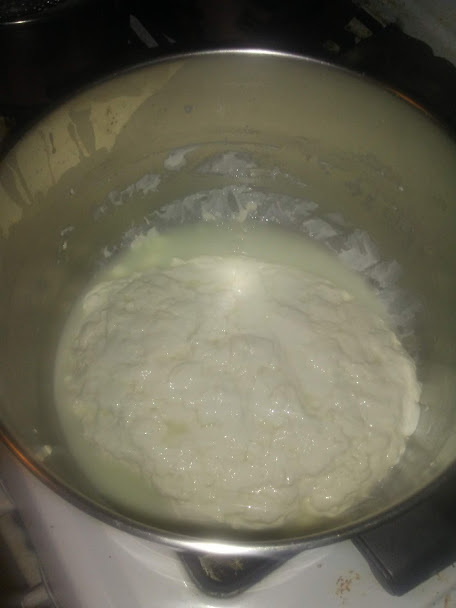
Good quality milk makes great cheese!

When producing milk for home use, what can you do to help ensure that you and your family are consuming a safe and high-quality product? No, you don’t need facilities that would pass a “Grade A” inspection just to have good milk. That would be an extreme, unattainable expense for the average homesteading family, and simply (in my opinion) not necessary.   

Here are some tips to help you obtain high milk quality- in your regular old backyard, barn, and kitchen. If you’re new to having dairy animals, I hope this post helps simplify things and gives you peace of mind. If you’re seasoned at this stuff, please continue to read anyway. Everyone can use a little reminder from time to time (myself included), right?

Nail that pre-milking routine!

Your pre-milking routine is an essential step in producing quality milk! It’s so simple, yet it can sure be tempting to rush through on those busy mornings. If you start clean, you are much more likely to end clean. Plus, if you are choosing to consume raw milkthis is even more crucial.

Check your animals over the first thing when you bring them into your milking area. Are they acting normal? Any signs of sickness can quickly be investigated further and treated if need be while you have them confined.

A “pre-dip” is a solution that is applied to the teats before milking. It kills bacteria and helps loosen up any caked-on manure. There are many options on the market. Please use something that is labeled and proven as effective as a pre-dip. Iodine based dips are a popular option and widely available. At the commercial dairy where I work, we use an iodine-free concentrate. All you need to do is mix the solution with water and bleach. This product is available from a company called Chosen Acres. Some pre-dip solutions can also be used post milking to help prevent new mastitis infections from starting.

You’ll need towels to clean and dry the teats after dipping, either disposable paper towels or reusable cloth rags work well. If using washable towels, make sure that they are thoroughly machine washed and dried between uses. Take care that the whole teat is squeaky clean, especially at the bottom end, where debris can be easier to miss.

Avoid using excess water to clean udders. If you do need to do extra washing of a very dirty udder, make sure the udder is dry before milking to keep bacteria laced water from trickling down the sides of the udder and into your milking pail! (1)  

Before attaching the milking machine or grabbing your milk pail, strip out the first few streams of milk into a separate container or towel. This way, you can check for any signs of abnormal milk, which might mean your “girl” has mastitis. A good pre-milking program of dipping, wiping, and fore-stripping all help with the oxytocin release that leads to milk let down. A good let down means a better, more complete milk out, which can help prevent mastitis infections and keep the bacteria count in your milk lower. (1)  

Get some gloves 

Glove up, guys and gals! Get a box of disposable vinyl or nitrile gloves from the drug store or dairy supply. Gloves are worn in foodservice establishments for a reason. You are producing food for your family when you milk your cows, goats, sheep, etc. So why not wear them? A gloved hand can be better sanitized between animals during the process, protecting you, your animals, and the milk. Plus, long term exposure to teat dip on your skin can leave your hands dry, irritated, and stained.     

Get it cold 

Ok, so the morning or evening milking is done. You’ve got milk in your pail or machine bucket. Now what? For the best quality milk, you need to get that milk chilled down to below 40 degrees Fahrenheit as quickly as possible! Quick cooling slows the multiplication of microorganisms that can impact the quality, flavor, safety, and shelf life of your milk.

In many modern commercial milking setups, milk is pumped through something called a plate cooler, which flash cools the milk before it even reaches the bulk tank. On our hobby farms, we want to do our best to achieve the same effect, with less sophisticated equipment of course.

Whatever you do, don’t let warm fresh milk sit out for long periods. Filtering the milk right after milking into smaller containers that are immersed in ice water is a handy way to speed up cooling. Agitate the containers every once in a while too. If you don’t have ice, even a cold water bath is better than just placing a warm jar of milk into the fridge.

Keep it cold

I hope this is common sense to most, but once it’s cold, you want to keep it that way! If you find that your milk, either pasteurized or raw, is going bad too quickly, first check the temperature controls of your fridge and make sure it is below 40 degrees F. Rotate your milk each time you bring fresh in, so that you’ll always be using the older stuff first. Avoid storing milk on the door of the refrigerator if you can.

Cleanliness wins the game

If there is one thing I’ve learned from working in milking parlors and a dairy processing plant…it’s that the cleaning never ends! Whether you milk one cow, ten goats, or 100 of each…cleaning and sanitation protocols are essential for safe, clean milk. Here are some specific things to pay attention to:

Cleanliness in your barns/yards

  • Do your animals have clean, dry bedding? Well maintained stalls and barns will keep udders cleaner and healthier…and you know what else that leads to!
  • Are your walkways to and holding pens outside the milking area relatively tidy and well-drained? This one can be hard, especially during inclement weather. But try to keep excess manure scrapped out or think about ways drainage can be improved in these areas.

Cleanliness in your milking parlor

  • Do you wash down or sweep out the milking area after each milking? Among other things, this keeps odors down, which can impact milk flavor, and helps with fly control.
  • If you have a machine milking set up, how are your milk hoses and inflations? Even with careful cleaning, these parts wear out and should be swapped out periodically. If inflation liners are cracking or if milk hoses fall off the bucket or claw constantly or are extremely discolored…it’s time to look into changing them.
  • Are vermin under control? What about flies? It’s best not to store feed and grain in your milking area, but if you have to, use rodent-proof containers. If your buildings are overrun with rats or other nuisance wildlife, consider contacting your local exterminator. They can take care of these problems in a safe, legal manner. There are many diseases that these animals can carry, and they should certainly not be running rampant in a place where you are handling milk.
  • Do a good deep cleaning every once in a while. You don’t need to do this after every milking, but every few weeks, give everything in the milking parlor a good scrub down.

Cleanliness of your milk handling equipment

  • Do you rinse milk residue off your pails and strainers ASAP after milking? It’s tempting to set that aside and do other things for a while! If you don’t rinse right away with lukewarm water, you run the risk of having more issues with a yucky biofilm thanks to milk proteins, minerals, and bacteria (“milk stone”) building up on your equipment. (4)  
  • Do you have the proper chemicals on hand for washing and sanitizing your equipment? It’s highly recommended that you use chemicals made and approved for milk handling equipment. These solutions are designed to be mixed to a specific concentration to be effective in getting your equipment nice and clean every time. You’ll want an alkaline based detergent for daily use, and an acid based compound that you can use to help prevent and break down milk stone deposits. NEVER, EVER mix acid-based chemicals with alkaline chemicals!!! Keep containers well marked and away from children!   To keep bacteria counts as low as possible, always air dry your equipment. You can also dip or spray your milk contact surfaces with a dilute bleach solution right before milking or processing. 

If in doubt…take a sample 

Grade A licensed dairies and processors are legally obligated to have many lab samples taken for screening. Milk is sampled for multiple types of bacteria, antibiotics, somatic cell count, and more. Maybe you have concerns about your milk safety, zoonotic disease risk in your herd, or you’d just like to know how you’re doing when it comes to the quality of your homestead milk.

Check with your local DHIA (Dairy Herd Improvement Association) and see what kinds of lab testing they have available. Some available options may include mastitis screenings and other bacteria plate counts. You might also be able to get help from your state department of agriculture or your veterinarian.  

I hope you’ve enjoyed this article and found it helpful. While there is undoubtedly a lot that goes into it, nothing beats enjoying a nice fresh glass of milk or other dairy product that you’ve produced at home. Good luck on all your spring births and happy milking!

Do you have any other tips for producing the best milk possible on your homestead? Let me know in the comments! 

Resources 

  1. https://www.vet.cornell.edu/animal-health-diagnostic-center/programs/nyschap/modules-documents/recommended-milking-procedures
  2. http://www.chosenacres.com/teat-dip/
  3. https://www.thecheesemaker.com/products/Dairy-Certified7B477D-Milkstone-Remover-and-Acid-Wash.html
  4. https://dairydynamics.com/cleaning/

Time to Get Digging! Planning for a Garden in a Small Space

By Kim Buddington

Well, we find ourselves at the end of January 2020 already. Do you know what that means? If you live in a location where the air gets cold this time of year, it means it’s time to beat the dreary days of winter by planning your garden for the coming growing season! 

But maybe you’re saying to yourself, “aww, a garden sounds nice- but I live in an apartment.” Or, “man, I wish my yard had more space so I could have a garden.”

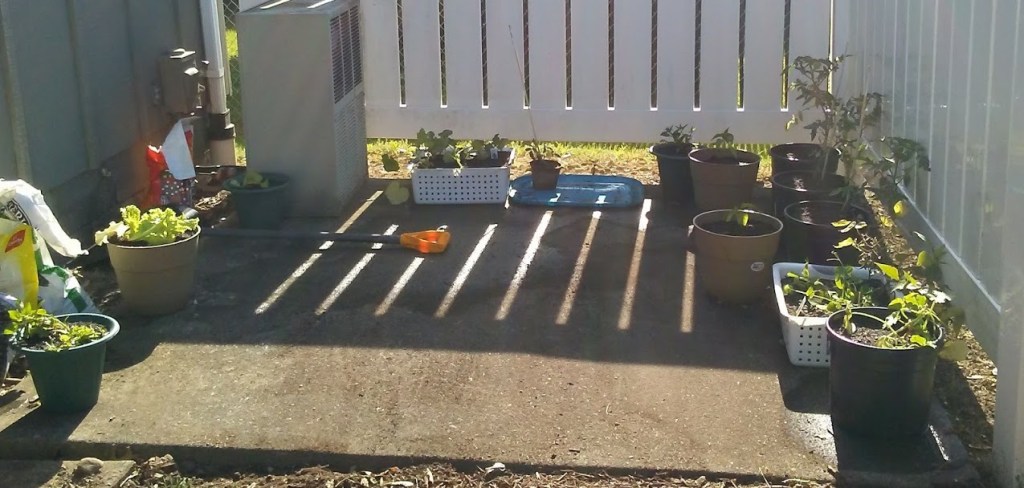
Please don’t despair. You can actually do a lot in a small space when it comes to gardening! While I live in an apartment in town, I will be once again planning my vegetable garden for this summer. I’m fortunate to have a little patio area and patch of soil outside my door that can is put to good use for growing some fresh food.

Check out my set up from previous years!

My first year attempting a patio garden!
Yum…I had pretty good success with summer squash and cucumbers my second year. Excuse that one random weed…oops lol!
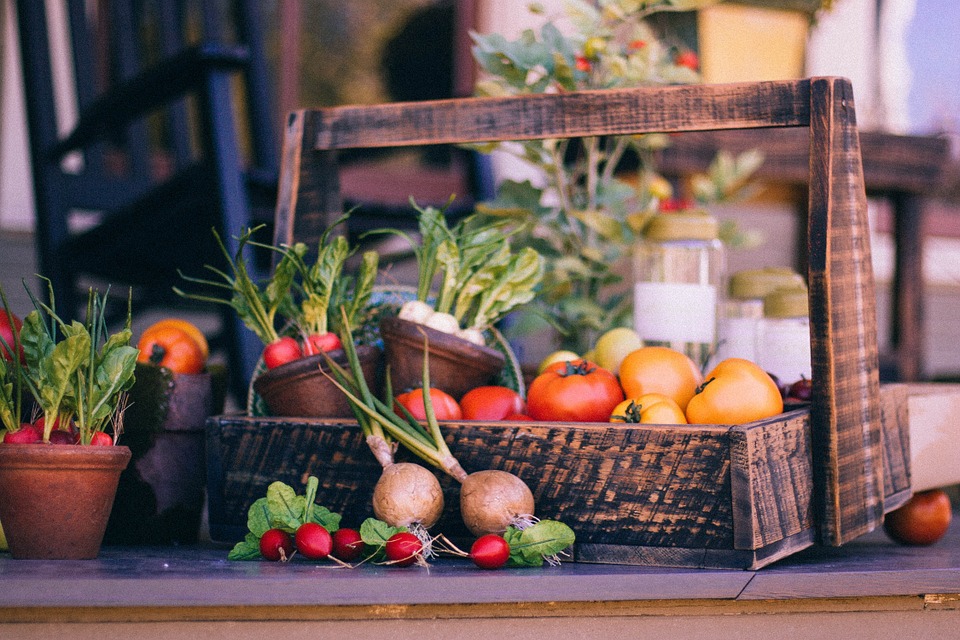
Tomatoes are a great option for container gardens!

It’s crucial to start with a good plan to get the biggest bang for your buck with gardening in a small space. Let’s talk about some things that will help you out!

Evaluate the space you have

This goes without saying, but first, you need to consider the space you have at your disposal. Do you have a small yard with an area that can be transformed into a vegetable bed? Or do you live on the 10th floor of a high-rise building with just a small outdoor balcony? These factors will undoubtedly affect what you can grow, and what methods and supplies you will need to use.

One of the big things I overlooked the first year I had my garden was the sunlight the area would receive. Due to the northern exposure and the shadow of an adjacent apartment building, I learned that more than half of my available growing area would be shaded for a good part of the day. Knowing that fact, I opted to plant my sun-loving plants such as tomatoes in containers and place them in the sunniest part of the patio area to help them obtain maximum growth.  

If you do have an area of natural soil, how is the quality? For best results, get your soil tested, so you’ll know what kind of amendments will need to be added to boost quality. (1) If you have concerns about harmful levels of heavy metals and other pollutants in your soil, it might be wise to have a test run for those as well before getting started. For more on heavy metals and gardening, click here. (2)

Once you are acquainted with your space, you can make a list of things you’ll need to get in order to grow food successfully. This may include items such as:

  • Lumber, hardware, and other necessary supplies for constructing a simple raised bed garden (3)
  • Topsoil, peat moss, composted manures, old leaves, and other materials required for concocting the perfect soil mix in raised beds or container gardens (3)
  • Containers to grow plants in if you are going the container route (Recycle and save $$)
  • Soil testing supplies
  • Shovels, rake, hand cultivator, etc…you know, the essential gardening tools.
  • Fencing to deter critters from feasting on your produce
  • A map detailing the sunny and shaded areas of your garden area for you to reference as you proceed in your planning
  • ____________Fill in the blank as needed!

Decide what you’d like to grow

Remember, you don’t have a lot of space to fool around with, so be intentional when you choose your plants. Are cucumbers and tomatoes the favorites of the family that you can never seem to keep in stock? Prioritize space to grow those plants, rather than producing a ton of arugula (sorry to my arugula lovers 😉 that you know is only going to languish in the back of the fridge! Once you’ve decided on your “high priority” plants, then you can use the remaining space to grow something fun, or try something new on your family.

With a basic idea of what you’d like to grow, now comes the exciting part! Time to browse through the seed catalogs or scroll through seed company websites to pick your plant varieties. There are so many options available to home gardeners today. It can admittedly be a bit overwhelming. Pay special attention to these attributes when picking seeds and plants:

  • Plant hardiness- The United States is divided up into zones based on climate. Pick plant species and varieties that are labeled as being suitable for growing in your geographic zone for best results. Don’t know your zone? Check out the Park Seed Company’s zone map here. All you need to do is put in your zip code!
  • Plant and row spacing requirements- This is important when space is your limiting factor! Choose plants that do well being planted closer together. Consider “dwarf” variations of standard plant options, as they can save you space.
  • Growing habit- Are you looking at vining type plants that spread out all over- like summer squash and peas? Or do they grow in an upright fashion, such as peppers, broccoli? You don’t have to nix vining type plants from your garden plans altogether, but investing in some kinds of trellises and/or poles is a good idea. You can then “train” your vining plants to grow up along the trellis instead of all over your space and out under the neighbor’s fence.    
  • Soil depth requirements- This is especially important if you will be growing in containers. For plants like lettuce, basil, and radishes- you only need about four or five inches of soil for good growth. Save your deep containers for things like squash, broccoli, and beets, though, as they need about a foot of soil for optimal root and plant health. (4)

Once you’ve planned out what you’d like to grow, you’ll need to think about buying your seeds and plants. If you’d like the added fun of starting transplants (tomatoes, broccoli, peppers, etc) yourself, you can be starting seeds now or within the next few weeks depending on where you live. Check out this great guide if you are interested in learning more about starting plants from seed. If you plan to buy your transplants, wait until it is almost time to plant them in their final place.   

It is also a good idea to check in with your local garden center to get an inside scoop into the best times to plant, specific to your location. They will surely be glad to help you with any other specific questions you have related to anything gardening.  

Well, with your plan of attack, supplies, and plants ready to roll, you know what that means…

Go out there and plant your garden! 

You can’t have the pleasure of harvesting your own fresh produce if you never try, so just go out there and get your hands dirty! (Well, do it when the weather is suitable, but I think you get my point.) Embrace the space you have, the unique challenges that come with it, and don’t forget to have fun! Your first year will be a learning experience, but it’s a good one. With your own garden, no matter how small, you can enjoy a little bit of nature wherever you call home.

Here’s last years bumper crop of lettuce to further inspire you 🙂
This little guy was sneaky and grew up too fast on me…but still tasty!
Are you ready to grow some fresh food?

Happy Growing!  

How do you garden in a small space? I’d love to learn about your setup 🙂

References

  1. https://www.seedsavers.org/small-space-garden
  2. https://extension.oregonstate.edu/food/safety-storage/should-i-worry-about-heavy-metals-my-garden-soil
  3. https://www.almanac.com/content/how-build-raised-garden-bed#
  4. https://www.gardeners.com/how-to/urban-gardening-with-vegetables/5491.html

Follow Us!

Hey friends! Are you on Instagram? Sweetpea’s Evening Ag News is, and we invite you to follow along with us! Some of the content we plan to post includes:

  • Previews, snippets, and featured photos from articles appearing on this blog
  • “Shout outs” to businesses and organizations that are members of our Agribusiness Directory (Will that be you? Find out how to join that here.)
  • Other content that helps spread the good word about agriculture!

What are you waiting for? Follow us today!

Sweetpea’s Evening Ag News Instagram

From the Christmas Tree Capital of the World to You!

By Kim Buddington

It’s the middle of December once again, and the countdown to Christmas is on! The sugar cookies are in the oven, carols are being sung, and memories are in the making. What about the tree? Do you have a festive evergreen adorning your living room yet? This time of the year wouldn’t be the same for many without a tree decked out with lights, tinsel, and other ornaments. Some of those decorations surely have special meaning to you, and your children, or maybe are even heirlooms, have been passed down through multiple generations of your family.

The tree is always a special part of the celebration. If you got a real Christmas tree this year, do you know where it was grown or how it got to you?

According to the National Christmas Tree Association, somewhere between 25 and 30 million Christmas trees are sold in the United States each holiday season! (1) That’s a lot of trees, grown on vast acres of land across North America, which are nurtured and harvested by many farmers. 

In Lunenburg County of Nova Scotia, Canada, Balsam fir trees decorate the natural landscape all year long. After all, that’s precisely what one would expect of a place known as the “Christmas Tree Capital of the World.”

This past week, I had the pleasure of talking to Mike Harlow, Christmas tree farmer and vice chairman of the All Nova Scotia Greens Christmas Tree Co-Op Ltd. Based out of New Germany, Nova Scotia, with 21 grower members, this cooperative specializes in selling wholesale Christmas trees to retailers both domestically and internationally.

The All Nova Scotia Greens Christmas Tree Co-op came into existence out of hardship. From 1992 until around 2007, many Christmas tree growers in Nova Scotia left the industry and sold their farms due to economic issues.

“In March of 2008 at the Lunenburg County Christmas Tree Producers Associations (LCCTPA) spring meeting, the subject was presented, and a motion passed [instructing] the LCCTPA to investigate ways for growers to organize to sell their trees,” Mike explained. “As a result of the motion, the LCCTPA were obligated to take the lead role in advertising and hosting the first couple of meetings.”  

As those next few meetings commenced, it became evident that any cooperative formed would have to be an entirely separate entity from the LCCTPA, due to the groups existing by-laws regarding marketing activities.    

When choosing the board of directors, an emphasis was placed on having a representative from each region of the province that had growers involved. Since 2008, the All Nova Scotia Greens Christmas Tree Co-op has stayed in operation, experienced growth, and continues to seek opportunities for expansion. 

Co-op members grow and sell Balsam fir trees exclusively. Nova Scotia offers ideal growing conditions for this variety of tree. (2) Balsam firs boast many classic Christmas tree characteristics, including a lasting aroma, needles that are less likely to drop prematurely, and that lovely deep green color. It takes about ten years of growing time for a Balsam fir to reach a height of 6 or 7 feet. (3) Talk about having to plan well and have patience! 

Because they are a wholesale supplier, many of the trees must travel long distances and be harvested and shipped well in advance of Christmas to meet customer demand. For example, if a retailer in the United States needs trees by Thanksgiving, those plants could have been harvested back in late October. To help ensure the best “shelf life” and a tree that still looks presentable on December 25th, specific protective measures are taken post-harvest.   

“Trees need to be protected from the sun especially on warmer days earlier in the season,” Mike said. “Protection from the sun is key to keep the tree fresh.”

Within a few days of being cut down, usually between 2-4 days, trees begin their journey to their respective buyers. The co-op ships trees both over the road and by sea, depending on where they need to go.

But before the trees leave, they are first sorted out and graded. There are three grading categories into which a Christmas tree can fall into- #1, #2, or #3. The higher the quality of the tree, taking into consideration things like shape and branch density, the better the grade.

A #1 tree commands the highest price and must be shaped well all around and have at least 80% density. A #2 tree has a minimum of 60% density and often has a hole or is less desirable in shape on one side. A #3 graded tree is of the lowest quality, which has only 40-60% density, and up to one side of the tree can be considered poor in shape. For more on tree grading and graphic examples of each grade, click here

This grading system sounds simple. Still, interestingly enough in Mike’s experience, it contributes to some of what he says are some of the biggest challenges in the wholesale Christmas tree industry.

“One of the challenges as a producer selling into the wholesale market is consistency of the grade,” He stated.  “Grading a tree can be very subjective. Not every tree is a #1 tree, within the grade there can be a tree that represents the grade very good, but not strong enough to be moved up to the next grade. ”

This might be an issue for marketing purposes, but if you’re a fan of real Christmas trees, don’t you think that the uniqueness of each tree adds something extra special to the whole deal? I think so, and it’s terrific to appreciate natural beauty! I am also thankful for the years of hard work and dedication that Christmas tree farmers put in to bring us these beloved icons of the holiday season.

As for the All Nova Scotia Greens Christmas Tree Co-op, they are hopeful for many more Christmas seasons to come, supplying trees to happy customers around the world. They are open new having new growers join them, and are also currently looking at tapping into new markets globally, such as possibilities in Asia. 

If you are would like more information about the co-op or have business inquiries/questions, please reach out to them here.

Merry Christmas, everyone! In spite of the hustle and bustle of this season, I hope you can take time and slow down, reflect, and really enjoy this time of the year. See you in 2020 for more Sweetpea’s Evening Ag News!

References

  1. https://realchristmastrees.org/dnn/Education/Quick-Tree-Facts
  2. https://www.scotiagreentrees.ca/about.php
  3. https://realchristmastrees.org/dnn/Education/Tree-Varieties/Balsam-Fir

Don’t miss an update, subscribe now!